
<?xml version="1.0" encoding="UTF-8"?>
<rss version="2.0" xmlns:atom="http://www.w3.org/2005/Atom">
<channel>
<title> blog Feed</title>
<link>http://ucanr.org/sites/CE_San_Joaquin/Agriculture419/index.cfm?blogrss=18319&amp;utm_source=RSS&amp;utm_medium=RSS&amp;utm_campaign=RSS%2BFeed</link>
<description> blog</description>
<language>en-us</language>
<copyright>UC ANR</copyright>
<docs>http://cyber.law.harvard.edu/rss/</docs>
<lastBuildDate>Thu, 23 May 2013 15:01:21 PST</lastBuildDate>
<pubDate>Thu, 23 May 2013 15:01:21 PST</pubDate>
<generator>UC ANR</generator>
<atom:link href="http://ucanr.org/sites/CE_San_Joaquin/Agriculture419/index.cfm?blogrss=18319" rel="self" type="application/rss+xml" />
<item>
<title> Preparing Your Vineyard For Frost</title>      
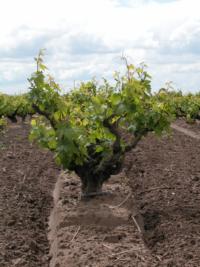
<description><![CDATA[<a href="http://ucanr.edu/blogs/blogcore/postdetail.cfm?postnum=9561&utm_source=RSS&utm_medium=RSS&utm_campaign=RSS%2BFeed"><img src="http://ucanr.edu/blogs/Raisinramblings/blogfiles/14656small.jpg" align="left" style="border:0"></a>Low temperatures experienced during the winter do not usually damage dormant grapevines in the San Joaquin Valley. However, succulent green shoots are much more sensitive to low temperatures, so spring frost damage is serious concern. Damage from spring frost can vary within and between vineyards. Some factors that determine the extent and severity of frost damage include vineyard location, stage of shoot growth, the minimum temperature reached, and the duration of time that the tissues are at......<img id="trackingimg" src="http://www.google-analytics.com/__utm.gif?utmwv=4.6.5&utmcs=UTF-8&utmac=UA-31148292-1&utmccn=RSS%2BFeed&utmcsr=RSS&utmn=886332053&utmhn=ucanr.org&utmdt=Preparing%20Your%20Vineyard%20For%20Frost&utmp=%2Fsites%2FCE%5FSan%5FJoaquin%2FAgriculture419%2Findex%2Ecfm" style="display:none; width:1px; height:1px; border:none;"><br clear="all">]]></description>
<pubDate>Mon, 25 Mar 2013 09:12:57 PST</pubDate>
<link>http://ucanr.edu/blogs/blogcore/postdetail.cfm?postnum=9561&amp;utm_source=RSS&amp;utm_medium=RSS&amp;utm_campaign=RSS%2BFeed</link>
<author> sjvasquez@ucanr.edu(Stephen Vasquez)</author>
<guid isPermaLink="true">http://ucanr.edu/blogs/blogcore/postdetail.cfm?postnum=9561</guid>
</item>
<item>
<title> Embryo Rescue: Making the Impossible Happen</title>      
<description><![CDATA[<a href="http://ucanr.edu/blogs/blogcore/postdetail.cfm?postnum=9322&utm_source=RSS&utm_medium=RSS&utm_campaign=RSS%2BFeed"><img src="http://ucanr.edu/blogs/Raisinramblings/blogfiles/14225small.jpg" align="left" style="border:0"></a>Grapes like DOVine, Selma Pete, Sweet Scarlet and Scarlet Royal likely would not exist were it not for ARS scientists&amp;rsquo; expertise with a laboratory technique known as &amp;ldquo;embryo rescue.&amp;rdquo; The technology &amp;ldquo;allows us to use two seedless grape plants as parents for new, seedless offspring,&amp;rdquo; says grape breeder David W. Ramming with USDA Agricultural Research Service (ARS) at Parlier, California.
&amp;ldquo;Seedless&amp;rdquo; grapes actually have a small seed inside, &amp;ldquo;but......<img id="trackingimg" src="http://www.google-analytics.com/__utm.gif?utmwv=4.6.5&utmcs=UTF-8&utmac=UA-31148292-1&utmccn=RSS%2BFeed&utmcsr=RSS&utmn=575917107&utmhn=ucanr.org&utmdt=Embryo%20Rescue%3A%20Making%20the%20Impossible%20Happen&utmp=%2Fsites%2FCE%5FSan%5FJoaquin%2FAgriculture419%2Findex%2Ecfm" style="display:none; width:1px; height:1px; border:none;"><br clear="all">]]></description>
<pubDate>Fri, 15 Feb 2013 13:48:07 PST</pubDate>
<link>http://ucanr.edu/blogs/blogcore/postdetail.cfm?postnum=9322&amp;utm_source=RSS&amp;utm_medium=RSS&amp;utm_campaign=RSS%2BFeed</link>
<author> sjvasquez@ucanr.edu(Stephen Vasquez)</author>
<guid isPermaLink="true">http://ucanr.edu/blogs/blogcore/postdetail.cfm?postnum=9322</guid>
</item>
<item>
<title> Grape Breeder, David Ramming Retires</title>      
<description><![CDATA[<a href="http://ucanr.edu/blogs/blogcore/postdetail.cfm?postnum=9096&utm_source=RSS&utm_medium=RSS&utm_campaign=RSS%2BFeed"><img src="http://ucanr.edu/blogs/Raisinramblings/blogfiles/13880small.jpg" align="left" style="border:0"></a>After 38 years, David Ramming has retired from the USDA Agricultural Research Service (ARS)-Parlier, California, where he bred grapes for California&amp;rsquo;s raisin and fresh market industries. Starting in 1975, he replaced John Weinberger who had just released &amp;lsquo;Fiesta&amp;rsquo;, the first grape developed to replace &amp;lsquo;Thompson Seedless&amp;rsquo;; the primary raisin grape for 100+ years. Since 1995, David has introduced four raisin grapes that helped make mechanized harvest a reality.......<img id="trackingimg" src="http://www.google-analytics.com/__utm.gif?utmwv=4.6.5&utmcs=UTF-8&utmac=UA-31148292-1&utmccn=RSS%2BFeed&utmcsr=RSS&utmn=852526337&utmhn=ucanr.org&utmdt=Grape%20Breeder%2C%20David%20Ramming%20Retires&utmp=%2Fsites%2FCE%5FSan%5FJoaquin%2FAgriculture419%2Findex%2Ecfm" style="display:none; width:1px; height:1px; border:none;"><br clear="all">]]></description>
<pubDate>Fri, 18 Jan 2013 15:59:18 PST</pubDate>
<link>http://ucanr.edu/blogs/blogcore/postdetail.cfm?postnum=9096&amp;utm_source=RSS&amp;utm_medium=RSS&amp;utm_campaign=RSS%2BFeed</link>
<author> sjvasquez@ucanr.edu(Stephen Vasquez)</author>
<guid isPermaLink="true">http://ucanr.edu/blogs/blogcore/postdetail.cfm?postnum=9096</guid>
</item>
<item>
<title> Brown Marmorated Stink Bug</title>      
<description><![CDATA[<a href="http://ucanr.edu/blogs/blogcore/postdetail.cfm?postnum=9047&utm_source=RSS&utm_medium=RSS&utm_campaign=RSS%2BFeed"><img src="http://ucanr.edu/blogs/Raisinramblings/blogfiles/13795small.jpg" align="left" style="border:0"></a>Combating USDA&apos;s Top-ranked Invasive Insect
First detected in the United States a decade ago, the brown marmorated stink bug (BMSB) is now in at least 39 states, is wreaking havoc in homes and gardens, and is a major economic threat to vineyards, orchards, garden vegetables and row crops. It&apos;s no wonder the U.S. Department of Agriculture (USDA) ranks this pest as its top &quot;invasive insect of interest.&quot;
But help may be on the way: USDA scientists at the Agricultural Research Service (ARS)......<img id="trackingimg" src="http://www.google-analytics.com/__utm.gif?utmwv=4.6.5&utmcs=UTF-8&utmac=UA-31148292-1&utmccn=RSS%2BFeed&utmcsr=RSS&utmn=571451159&utmhn=ucanr.org&utmdt=Brown%20Marmorated%20Stink%20Bug&utmp=%2Fsites%2FCE%5FSan%5FJoaquin%2FAgriculture419%2Findex%2Ecfm" style="display:none; width:1px; height:1px; border:none;"><br clear="all">]]></description>
<pubDate>Thu, 10 Jan 2013 17:04:38 PST</pubDate>
<link>http://ucanr.edu/blogs/blogcore/postdetail.cfm?postnum=9047&amp;utm_source=RSS&amp;utm_medium=RSS&amp;utm_campaign=RSS%2BFeed</link>
<author> sjvasquez@ucanr.edu(Stephen Vasquez)</author>
<guid isPermaLink="true">http://ucanr.edu/blogs/blogcore/postdetail.cfm?postnum=9047</guid>
</item>
<item>
<title> Red Blotch Disease</title>      
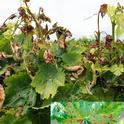
<description><![CDATA[<a href="http://ucanr.edu/blogs/blogcore/postdetail.cfm?postnum=8816&utm_source=RSS&utm_medium=RSS&utm_campaign=RSS%2BFeed"><img src="http://ucanr.edu/blogs/Raisinramblings/blogfiles/13429small.jpg" align="left" style="border:0"></a>At a recent meeting held at UC Davis titled &amp;ldquo;Current Issues in Vineyard Health&amp;rdquo;, a newly-discovered viral disease being expressed in California&amp;rsquo;s vineyards was discussed. Currently named &amp;lsquo;Red Blotch Disease&amp;rsquo;, its symptoms distinguish it from leafroll virus expression, as does its PCR fingerprint. Presently, the most complete information available on the disease can be found in a brochure developed by Jim Wolpert, Viticulture Extension Specialist, UC Davis and......<img id="trackingimg" src="http://www.google-analytics.com/__utm.gif?utmwv=4.6.5&utmcs=UTF-8&utmac=UA-31148292-1&utmccn=RSS%2BFeed&utmcsr=RSS&utmn=186122932&utmhn=ucanr.org&utmdt=Red%20Blotch%20Disease&utmp=%2Fsites%2FCE%5FSan%5FJoaquin%2FAgriculture419%2Findex%2Ecfm" style="display:none; width:1px; height:1px; border:none;"><br clear="all">]]></description>
<pubDate>Fri, 30 Nov 2012 09:05:28 PST</pubDate>
<link>http://ucanr.edu/blogs/blogcore/postdetail.cfm?postnum=8816&amp;utm_source=RSS&amp;utm_medium=RSS&amp;utm_campaign=RSS%2BFeed</link>
<author> sjvasquez@ucanr.edu(Stephen Vasquez)</author>
<guid isPermaLink="true">http://ucanr.edu/blogs/blogcore/postdetail.cfm?postnum=8816</guid>
</item>
<item>
<title> 2013 ASEV Merit Award</title>      
<description><![CDATA[<a href="http://ucanr.edu/blogs/blogcore/postdetail.cfm?postnum=8472&utm_source=RSS&utm_medium=RSS&utm_campaign=RSS%2BFeed"><img src="http://ucanr.edu/blogs/Raisinramblings/blogfiles/12982small.jpg" align="left" style="border:0"></a>The American Society for Enology and Viticulture (ASEV) Board announced Dr. Jim Wolpert, Viticulture Specialist, University of California-Davis, as ASEV&apos;s 2013 Merit Award recipient. Jim Wolpert is a native of Indiana. He received his bachelor of science from Purdue University in Horticulture in 1973. He took further training at Michigan State University, receiving a Master&apos;s degree in 1978 and a PhD in 1983. Both thesis projects involved research on production practices of &apos;Concord&apos; grapes and......<img id="trackingimg" src="http://www.google-analytics.com/__utm.gif?utmwv=4.6.5&utmcs=UTF-8&utmac=UA-31148292-1&utmccn=RSS%2BFeed&utmcsr=RSS&utmn=535385012&utmhn=ucanr.org&utmdt=2013%20ASEV%20Merit%20Award&utmp=%2Fsites%2FCE%5FSan%5FJoaquin%2FAgriculture419%2Findex%2Ecfm" style="display:none; width:1px; height:1px; border:none;"><br clear="all">]]></description>
<pubDate>Fri, 12 Oct 2012 16:18:49 PST</pubDate>
<link>http://ucanr.edu/blogs/blogcore/postdetail.cfm?postnum=8472&amp;utm_source=RSS&amp;utm_medium=RSS&amp;utm_campaign=RSS%2BFeed</link>
<author> sjvasquez@ucanr.edu(Stephen Vasquez)</author>
<guid isPermaLink="true">http://ucanr.edu/blogs/blogcore/postdetail.cfm?postnum=8472</guid>
</item>
<item>
<title> Vineyard Pest ID Cards: English and Spanish Bundled Specials</title>      
<description><![CDATA[<a href="http://ucanr.edu/blogs/blogcore/postdetail.cfm?postnum=8280&utm_source=RSS&utm_medium=RSS&utm_campaign=RSS%2BFeed"><img src="http://ucanr.edu/blogs/Raisinramblings/blogfiles/12604small.jpg" align="left" style="border:0"></a>SPECIAL OFFER-Vineyard Pest Identification and Monitoring Cards
Stay on top of pest activity in your vineyard!
Keep your vineyard healthy with this set of 50 sturdy, pocket-size laminated cards, now available in both English and Spanish. This is the perfect quick field references for identifying and monitoring vineyard diseases and pests for you and your crew.
Each set covers 41 common insects and mites, 11 diseases, 23 beneficial insects, and a variety of other disorders, weeds, and......<img id="trackingimg" src="http://www.google-analytics.com/__utm.gif?utmwv=4.6.5&utmcs=UTF-8&utmac=UA-31148292-1&utmccn=RSS%2BFeed&utmcsr=RSS&utmn=238749288&utmhn=ucanr.org&utmdt=Vineyard%20Pest%20ID%20Cards%3A%20English%20and%20Spanish%20Bundled%20Specials&utmp=%2Fsites%2FCE%5FSan%5FJoaquin%2FAgriculture419%2Findex%2Ecfm" style="display:none; width:1px; height:1px; border:none;"><br clear="all">]]></description>
<pubDate>Fri, 07 Sep 2012 09:26:03 PST</pubDate>
<link>http://ucanr.edu/blogs/blogcore/postdetail.cfm?postnum=8280&amp;utm_source=RSS&amp;utm_medium=RSS&amp;utm_campaign=RSS%2BFeed</link>
<author> sjvasquez@ucanr.edu(Stephen Vasquez)</author>
<guid isPermaLink="true">http://ucanr.edu/blogs/blogcore/postdetail.cfm?postnum=8280</guid>
</item>
<item>
<title> Raisin Theft Advisory</title>      
<description><![CDATA[<a href="http://ucanr.edu/blogs/blogcore/postdetail.cfm?postnum=8220&utm_source=RSS&utm_medium=RSS&utm_campaign=RSS%2BFeed"><img src="http://ucanr.edu/blogs/Raisinramblings/blogfiles/12506small.jpg" align="left" style="border:0"></a>The last two years, San Joaquin Valley raisin growers experienced a high number of rolled raisin thefts. The majority of the thefts occurred near Biola and the area west of Selma. In past years the Sheriff&amp;rsquo;s Department has received reports of both bin and rolled raisin thefts. In 2011 thefts consisted primarily of rolled raisins taken from the fields, usually during the evening and late night hours.
PREVENTION TIPS
Place rolled raisin trays deeper in the vineyard away from main roads.......<img id="trackingimg" src="http://www.google-analytics.com/__utm.gif?utmwv=4.6.5&utmcs=UTF-8&utmac=UA-31148292-1&utmccn=RSS%2BFeed&utmcsr=RSS&utmn=861724852&utmhn=ucanr.org&utmdt=Raisin%20Theft%20Advisory&utmp=%2Fsites%2FCE%5FSan%5FJoaquin%2FAgriculture419%2Findex%2Ecfm" style="display:none; width:1px; height:1px; border:none;"><br clear="all">]]></description>
<pubDate>Mon, 27 Aug 2012 09:29:22 PST</pubDate>
<link>http://ucanr.edu/blogs/blogcore/postdetail.cfm?postnum=8220&amp;utm_source=RSS&amp;utm_medium=RSS&amp;utm_campaign=RSS%2BFeed</link>
<author> sjvasquez@ucanr.edu(Stephen Vasquez)</author>
<guid isPermaLink="true">http://ucanr.edu/blogs/blogcore/postdetail.cfm?postnum=8220</guid>
</item>
<item>
<title> New Wine Grapes from Cornell University Need Names</title>      
<description><![CDATA[<a href="http://ucanr.edu/blogs/blogcore/postdetail.cfm?postnum=7896&utm_source=RSS&utm_medium=RSS&utm_campaign=RSS%2BFeed"><img src="http://ucanr.edu/blogs/Raisinramblings/blogfiles/11979small.jpg" align="left" style="border:0"></a>Help name the newest grapes from the Cornell University Grape Breeding Program!
It&amp;rsquo;s hard to come up with new winegrape names-they have to be unique, distinctive, and descriptive, look good on a wine bottle, and meet a variety of complicated legal specifications that you don&apos;t even want to think about. 
Even more important, you have to like the grape and its name- because we hope we&amp;rsquo;ll be seeing the varietal name on wine bottles in the near future! 
So the Cornell University......<img id="trackingimg" src="http://www.google-analytics.com/__utm.gif?utmwv=4.6.5&utmcs=UTF-8&utmac=UA-31148292-1&utmccn=RSS%2BFeed&utmcsr=RSS&utmn=701924430&utmhn=ucanr.org&utmdt=New%20Wine%20Grapes%20from%20Cornell%20University%20Need%20Names&utmp=%2Fsites%2FCE%5FSan%5FJoaquin%2FAgriculture419%2Findex%2Ecfm" style="display:none; width:1px; height:1px; border:none;"><br clear="all">]]></description>
<pubDate>Tue, 10 Jul 2012 12:27:45 PST</pubDate>
<link>http://ucanr.edu/blogs/blogcore/postdetail.cfm?postnum=7896&amp;utm_source=RSS&amp;utm_medium=RSS&amp;utm_campaign=RSS%2BFeed</link>
<author> sjvasquez@ucanr.edu(Stephen Vasquez)</author>
<guid isPermaLink="true">http://ucanr.edu/blogs/blogcore/postdetail.cfm?postnum=7896</guid>
</item>
<item>
<title> Raisin and Wine Grape Mechanical Harvest Safety Training</title>      
<description><![CDATA[<a href="http://ucanr.edu/blogs/blogcore/postdetail.cfm?postnum=7786&utm_source=RSS&utm_medium=RSS&utm_campaign=RSS%2BFeed"><img src="http://ucanr.edu/blogs/Raisinramblings/blogfiles/11797small.jpg" align="left" style="border:0"></a>The second annual Raisin and Wine Grape Mechanical Harvest Safety Training is set for July 18, 2012 at the C.P.D.E.S. Hall in Easton CA, located at 172 W. Jefferson Ave.
Training will be provided in both English and Spanish.
The free training for farm employees and supervisors will increase awareness and improve safety in the field during mechanical raisin and wine grape harvest. Trained participants are expected to pass the information on to the individuals they supervise.
&amp;ldquo;This is an......<img id="trackingimg" src="http://www.google-analytics.com/__utm.gif?utmwv=4.6.5&utmcs=UTF-8&utmac=UA-31148292-1&utmccn=RSS%2BFeed&utmcsr=RSS&utmn=432108181&utmhn=ucanr.org&utmdt=Raisin%20and%20Wine%20Grape%20Mechanical%20Harvest%20Safety%20Training&utmp=%2Fsites%2FCE%5FSan%5FJoaquin%2FAgriculture419%2Findex%2Ecfm" style="display:none; width:1px; height:1px; border:none;"><br clear="all">]]></description>
<pubDate>Fri, 22 Jun 2012 13:14:40 PST</pubDate>
<link>http://ucanr.edu/blogs/blogcore/postdetail.cfm?postnum=7786&amp;utm_source=RSS&amp;utm_medium=RSS&amp;utm_campaign=RSS%2BFeed</link>
<author> sjvasquez@ucanr.edu(Stephen Vasquez)</author>
<guid isPermaLink="true">http://ucanr.edu/blogs/blogcore/postdetail.cfm?postnum=7786</guid>
</item>
<item>
<title> A New Tool for Studying Sharpshooter Feeding</title>      
<description><![CDATA[<a href="http://ucanr.edu/blogs/blogcore/postdetail.cfm?postnum=7688&utm_source=RSS&utm_medium=RSS&utm_campaign=RSS%2BFeed"><img src="http://ucanr.edu/blogs/Raisinramblings/blogfiles/11653small.jpg" align="left" style="border:0"></a>When an insect pierces the surface of a plant to feed, much of the action takes place in the plant&apos;s interior. A device called the Electrical Penetration Graph (EPG) is a critical tool for peering into the process.
Now a new type of EPG developed by U. S. Department of Agriculture (USDA) entomologists is giving scientists the clearest view yet of the wars waged between piercing-sucking insects and the plants they attack.
The EPG was developed by Elaine Backus at the Agricultural Research......<img id="trackingimg" src="http://www.google-analytics.com/__utm.gif?utmwv=4.6.5&utmcs=UTF-8&utmac=UA-31148292-1&utmccn=RSS%2BFeed&utmcsr=RSS&utmn=38749974&utmhn=ucanr.org&utmdt=A%20New%20Tool%20for%20Studying%20Sharpshooter%20Feeding&utmp=%2Fsites%2FCE%5FSan%5FJoaquin%2FAgriculture419%2Findex%2Ecfm" style="display:none; width:1px; height:1px; border:none;"><br clear="all">]]></description>
<pubDate>Sun, 10 Jun 2012 12:51:11 PST</pubDate>
<link>http://ucanr.edu/blogs/blogcore/postdetail.cfm?postnum=7688&amp;utm_source=RSS&amp;utm_medium=RSS&amp;utm_campaign=RSS%2BFeed</link>
<author> sjvasquez@ucanr.edu(Stephen Vasquez)</author>
<guid isPermaLink="true">http://ucanr.edu/blogs/blogcore/postdetail.cfm?postnum=7688</guid>
</item>
<item>
<title> Fruit and Wine Characteristics of New Winegrape Varieties to be Discussed at Upcoming Meeting</title>      
<description><![CDATA[<a href="http://ucanr.edu/blogs/blogcore/postdetail.cfm?postnum=7550&utm_source=RSS&utm_medium=RSS&utm_campaign=RSS%2BFeed"><img src="http://ucanr.edu/blogs/Raisinramblings/blogfiles/11447small.jpg" align="left" style="border:0"></a>Wine grape varieties from warm climate grape growing regions are being imported to California, and tested in the San Joaquin Valley. It has been estimated that fewer than ten different winegrape varieties account for up to 80% of varietal wines. The San Joaquin Valley (SJV), historically a major producer of winegrapes, has increased the acreage of these core varieties over the past two decades.  However, many of the most popular wine grape varieties were selected from cool climate regions, and......<img id="trackingimg" src="http://www.google-analytics.com/__utm.gif?utmwv=4.6.5&utmcs=UTF-8&utmac=UA-31148292-1&utmccn=RSS%2BFeed&utmcsr=RSS&utmn=679788466&utmhn=ucanr.org&utmdt=Fruit%20and%20Wine%20Characteristics%20of%20New%20Winegrape%20Varieties%20to%20be%20Discussed%20at%20Upcoming%20Meeting&utmp=%2Fsites%2FCE%5FSan%5FJoaquin%2FAgriculture419%2Findex%2Ecfm" style="display:none; width:1px; height:1px; border:none;"><br clear="all">]]></description>
<pubDate>Wed, 23 May 2012 12:00:39 PST</pubDate>
<link>http://ucanr.edu/blogs/blogcore/postdetail.cfm?postnum=7550&amp;utm_source=RSS&amp;utm_medium=RSS&amp;utm_campaign=RSS%2BFeed</link>
<author> mwfidelibus@ucanr.edu(Matthew Fidelibus)</author>
<guid isPermaLink="true">http://ucanr.edu/blogs/blogcore/postdetail.cfm?postnum=7550</guid>
</item>
<item>
<title> DNA Fingerprinting Your Grapes</title>      
<description><![CDATA[<a href="http://ucanr.edu/blogs/blogcore/postdetail.cfm?postnum=7485&utm_source=RSS&utm_medium=RSS&utm_campaign=RSS%2BFeed"><img src="http://ucanr.edu/blogs/Raisinramblings/blogfiles/11352small.jpg" align="left" style="border:0"></a>The Plant Identification Lab at Foundation Plant Services (FPS), UC Davis provides variety identification using DNA Fingerprinting technology for grape, and other crops. The service makes DNA-based grape variety identification available to the public on a fee-for-service basis.
The grape variety identification service can be used by nursery managers, grape growers, wineries, breeders and other industry representatives. The identification process begins by extracting DNA from the client&apos;s......<img id="trackingimg" src="http://www.google-analytics.com/__utm.gif?utmwv=4.6.5&utmcs=UTF-8&utmac=UA-31148292-1&utmccn=RSS%2BFeed&utmcsr=RSS&utmn=782344343&utmhn=ucanr.org&utmdt=DNA%20Fingerprinting%20Your%20Grapes&utmp=%2Fsites%2FCE%5FSan%5FJoaquin%2FAgriculture419%2Findex%2Ecfm" style="display:none; width:1px; height:1px; border:none;"><br clear="all">]]></description>
<pubDate>Fri, 11 May 2012 17:37:36 PST</pubDate>
<link>http://ucanr.edu/blogs/blogcore/postdetail.cfm?postnum=7485&amp;utm_source=RSS&amp;utm_medium=RSS&amp;utm_campaign=RSS%2BFeed</link>
<author> sjvasquez@ucanr.edu(Stephen Vasquez)</author>
<guid isPermaLink="true">http://ucanr.edu/blogs/blogcore/postdetail.cfm?postnum=7485</guid>
</item>
<item>
<title> Raisin Production Overhead Trellis Report</title>      
<description><![CDATA[<a href="http://ucanr.edu/blogs/blogcore/postdetail.cfm?postnum=7458&utm_source=RSS&utm_medium=RSS&utm_campaign=RSS%2BFeed"><img src="http://ucanr.edu/blogs/Raisinramblings/blogfiles/11317small.jpg" align="left" style="border:0"></a>According to the USDA National Agricultural Statistics Service (NASS),California raisin type grapes using the overhead trellis management system totaled 19,543 acres (bearing and non-bearing) during 2011. This amounted to 9.8 percent of the total raisin type grape acreage. Varieties &amp;lsquo;Fiesta&amp;rsquo; and &amp;lsquo;DOVine&amp;rsquo; had the highest percentage of acreage using the overhead trellis system, at 52.2 percent and 41.2 percent, respectively. However, &amp;lsquo;DOVine&amp;rsquo; at 609 acres is......<img id="trackingimg" src="http://www.google-analytics.com/__utm.gif?utmwv=4.6.5&utmcs=UTF-8&utmac=UA-31148292-1&utmccn=RSS%2BFeed&utmcsr=RSS&utmn=743214884&utmhn=ucanr.org&utmdt=Raisin%20Production%20Overhead%20Trellis%20Report&utmp=%2Fsites%2FCE%5FSan%5FJoaquin%2FAgriculture419%2Findex%2Ecfm" style="display:none; width:1px; height:1px; border:none;"><br clear="all">]]></description>
<pubDate>Wed, 09 May 2012 08:52:46 PST</pubDate>
<link>http://ucanr.edu/blogs/blogcore/postdetail.cfm?postnum=7458&amp;utm_source=RSS&amp;utm_medium=RSS&amp;utm_campaign=RSS%2BFeed</link>
<author> sjvasquez@ucanr.edu(Stephen Vasquez)</author>
<guid isPermaLink="true">http://ucanr.edu/blogs/blogcore/postdetail.cfm?postnum=7458</guid>
</item>
<item>
<title> 2011 Grape Acreage Report</title>      
<description><![CDATA[<a href="http://ucanr.edu/blogs/blogcore/postdetail.cfm?postnum=7329&utm_source=RSS&utm_medium=RSS&utm_campaign=RSS%2BFeed"><img src="http://ucanr.edu/blogs/Raisinramblings/blogfiles/11136small.jpg" align="left" style="border:0"></a>Total grape acreage for California in&#xa0;2011 was 848,000 acres according to the California Grape Acreage Report, released April 17, 2012. Of the total grape acreage, 796,000 were bearing while 52,000 were non-bearing.
The wine-type grape acreage is estimated at 543,000 acres. Of the total acres, 506,000 were bearing and 37,000 were non-bearing. Table-type grape acreage totaled 96,000 acres with 85,000 bearing and 11,000 non-bearing. Acreage of raisin-type grapes totaled 209,000 acres, of which......<img id="trackingimg" src="http://www.google-analytics.com/__utm.gif?utmwv=4.6.5&utmcs=UTF-8&utmac=UA-31148292-1&utmccn=RSS%2BFeed&utmcsr=RSS&utmn=574112421&utmhn=ucanr.org&utmdt=2011%20Grape%20Acreage%20Report&utmp=%2Fsites%2FCE%5FSan%5FJoaquin%2FAgriculture419%2Findex%2Ecfm" style="display:none; width:1px; height:1px; border:none;"><br clear="all">]]></description>
<pubDate>Mon, 23 Apr 2012 17:36:54 PST</pubDate>
<link>http://ucanr.edu/blogs/blogcore/postdetail.cfm?postnum=7329&amp;utm_source=RSS&amp;utm_medium=RSS&amp;utm_campaign=RSS%2BFeed</link>
<author> sjvasquez@ucanr.edu(Stephen Vasquez)</author>
<guid isPermaLink="true">http://ucanr.edu/blogs/blogcore/postdetail.cfm?postnum=7329</guid>
</item>
<item>
<title> Spring Fever</title>      
<description><![CDATA[<a href="http://ucanr.edu/blogs/blogcore/postdetail.cfm?postnum=7244&utm_source=RSS&utm_medium=RSS&utm_campaign=RSS%2BFeed"><img src="http://ucanr.edu/blogs/Raisinramblings/blogfiles/10987small.jpg" align="left" style="border:0"></a>Current weather forecasts predict the San Joaquin Valley may experience alternating periods of cool and warm temperatures in the next few weeks. Such conditions may lead to the development of weather-related disorder known as &#8220;spring fever&#8221;. On vines with spring fever, basal leaves will become chlorotic, with green leaf-color fading first from the leaf margins, and then progressing inwards, towards primary and secondary veins (Figure 1 shows a variety of spring fever symptoms). Also, leaf......<img id="trackingimg" src="http://www.google-analytics.com/__utm.gif?utmwv=4.6.5&utmcs=UTF-8&utmac=UA-31148292-1&utmccn=RSS%2BFeed&utmcsr=RSS&utmn=999217082&utmhn=ucanr.org&utmdt=Spring%20Fever&utmp=%2Fsites%2FCE%5FSan%5FJoaquin%2FAgriculture419%2Findex%2Ecfm" style="display:none; width:1px; height:1px; border:none;"><br clear="all">]]></description>
<pubDate>Wed, 11 Apr 2012 16:54:58 PST</pubDate>
<link>http://ucanr.edu/blogs/blogcore/postdetail.cfm?postnum=7244&amp;utm_source=RSS&amp;utm_medium=RSS&amp;utm_campaign=RSS%2BFeed</link>
<author> sjvasquez@ucanr.edu(Stephen Vasquez)</author>
<guid isPermaLink="true">http://ucanr.edu/blogs/blogcore/postdetail.cfm?postnum=7244</guid>
</item>
<item>
<title> Heat illness prevention training offered</title>      
<description><![CDATA[<a href="http://ucanr.edu/blogs/blogcore/postdetail.cfm?postnum=7155&utm_source=RSS&utm_medium=RSS&utm_campaign=RSS%2BFeed"><img src="http://ucanr.edu/blogs/Raisinramblings/blogfiles/10803small.jpg" align="left" style="border:0"></a>The first in a series of seminars to help educate farm labor contractors, growers and supervisors about heat illness prevention regulations will be held on Thursday, April 5, in Easton. The training will be held at the C.P.D.E.S. Hall, located at 172 W. Jefferson Avenue, Eaton CA.&#xa0;
Attendees will be able to take what they learn back to their own operations, ultimately educating thousands of farm employees.
&#xa0;
California employers are required to take these four steps to prevent heat......<img id="trackingimg" src="http://www.google-analytics.com/__utm.gif?utmwv=4.6.5&utmcs=UTF-8&utmac=UA-31148292-1&utmccn=RSS%2BFeed&utmcsr=RSS&utmn=317799342&utmhn=ucanr.org&utmdt=Heat%20illness%20prevention%20training%20offered&utmp=%2Fsites%2FCE%5FSan%5FJoaquin%2FAgriculture419%2Findex%2Ecfm" style="display:none; width:1px; height:1px; border:none;"><br clear="all">]]></description>
<pubDate>Fri, 30 Mar 2012 13:44:21 PST</pubDate>
<link>http://ucanr.edu/blogs/blogcore/postdetail.cfm?postnum=7155&amp;utm_source=RSS&amp;utm_medium=RSS&amp;utm_campaign=RSS%2BFeed</link>
<author> sjvasquez@ucanr.edu(Stephen Vasquez)</author>
<guid isPermaLink="true">http://ucanr.edu/blogs/blogcore/postdetail.cfm?postnum=7155</guid>
</item>
<item>
<title> New approach to managing Pierce&#8217;s disease</title>      
<description><![CDATA[<a href="http://ucanr.edu/blogs/blogcore/postdetail.cfm?postnum=6878&utm_source=RSS&utm_medium=RSS&utm_campaign=RSS%2BFeed"><img src="http://ucanr.edu/blogs/Raisinramblings/blogfiles/10325small.jpg" align="left" style="border:0"></a>A gene fusion research project led by a University of California, Davis, plant scientist delivers a one-two punch to Pierce&apos;s disease, a deadly threat to California&#8217;s world-renowned wine industry.
The study is set for publication the week of Feb. 20 in the early edition of the Proceedings of the National Academy of Sciences.
&#8220;Many disease-causing microbes can evade one defensive action by a host plant, but we believe that most microbes would have difficulty overcoming a combination of two......<img id="trackingimg" src="http://www.google-analytics.com/__utm.gif?utmwv=4.6.5&utmcs=UTF-8&utmac=UA-31148292-1&utmccn=RSS%2BFeed&utmcsr=RSS&utmn=380264560&utmhn=ucanr.org&utmdt=New%20approach%20to%20managing%20Pierce%E2%80%99s%20disease&utmp=%2Fsites%2FCE%5FSan%5FJoaquin%2FAgriculture419%2Findex%2Ecfm" style="display:none; width:1px; height:1px; border:none;"><br clear="all">]]></description>
<pubDate>Thu, 23 Feb 2012 09:24:47 PST</pubDate>
<link>http://ucanr.edu/blogs/blogcore/postdetail.cfm?postnum=6878&amp;utm_source=RSS&amp;utm_medium=RSS&amp;utm_campaign=RSS%2BFeed</link>
<author> sjvasquez@ucanr.edu(Stephen Vasquez)</author>
<guid isPermaLink="true">http://ucanr.edu/blogs/blogcore/postdetail.cfm?postnum=6878</guid>
</item>
<item>
<title> Pesticide Safety Training Certification Program</title>      
<description><![CDATA[<a href="http://ucanr.edu/blogs/blogcore/postdetail.cfm?postnum=6526&utm_source=RSS&utm_medium=RSS&utm_campaign=RSS%2BFeed"><img src="http://ucanr.edu/blogs/Raisinramblings/blogfiles/9813small.jpg" align="left" style="border:0"></a>UC IPM Announces 2012 Dates for Pesticide Safety Training Certification Program California state regulations and the Federal Worker Protection Standard require fieldworkers and pesticide handlers to receive pesticide safety training according to specific criteria. The trainings must be given in a language that the worker understands and must be done by certified trainers. Several opportunities exist to become certified to conduct these pesticide safety trainings, or to get a refresher if you......<img id="trackingimg" src="http://www.google-analytics.com/__utm.gif?utmwv=4.6.5&utmcs=UTF-8&utmac=UA-31148292-1&utmccn=RSS%2BFeed&utmcsr=RSS&utmn=861155065&utmhn=ucanr.org&utmdt=Pesticide%20Safety%20Training%20Certification%20Program&utmp=%2Fsites%2FCE%5FSan%5FJoaquin%2FAgriculture419%2Findex%2Ecfm" style="display:none; width:1px; height:1px; border:none;"><br clear="all">]]></description>
<pubDate>Thu, 05 Jan 2012 13:35:01 PST</pubDate>
<link>http://ucanr.edu/blogs/blogcore/postdetail.cfm?postnum=6526&amp;utm_source=RSS&amp;utm_medium=RSS&amp;utm_campaign=RSS%2BFeed</link>
<author> sjvasquez@ucanr.edu(Stephen Vasquez)</author>
<guid isPermaLink="true">http://ucanr.edu/blogs/blogcore/postdetail.cfm?postnum=6526</guid>
</item>
<item>
<title> The time to irrigate is now!</title>      
<description><![CDATA[<a href="http://ucanr.edu/blogs/blogcore/postdetail.cfm?postnum=6483&utm_source=RSS&utm_medium=RSS&utm_campaign=RSS%2BFeed"><img src="http://ucanr.edu/blogs/Raisinramblings/blogfiles/9740small.jpg" align="left" style="border:0"></a>To date, the San Joaquin Valley has only received 1.57 inches of precipitation this season (July 1 2011-June 30 2012) with none in December. The last time the San Joaquin Valley had such poor December rainfall was in 1999 and 2000, receiving 0.03 and 0.07 inches, respectively.
In both of the following springs, California grape growers observed severe delayed spring growth (DSG), the symptoms of which include irregular and poor bud-break and low shoot vigor. Entire vineyards were affected. Many......<img id="trackingimg" src="http://www.google-analytics.com/__utm.gif?utmwv=4.6.5&utmcs=UTF-8&utmac=UA-31148292-1&utmccn=RSS%2BFeed&utmcsr=RSS&utmn=493082236&utmhn=ucanr.org&utmdt=The%20time%20to%20irrigate%20is%20now%21&utmp=%2Fsites%2FCE%5FSan%5FJoaquin%2FAgriculture419%2Findex%2Ecfm" style="display:none; width:1px; height:1px; border:none;"><br clear="all">]]></description>
<pubDate>Thu, 29 Dec 2011 07:12:33 PST</pubDate>
<link>http://ucanr.edu/blogs/blogcore/postdetail.cfm?postnum=6483&amp;utm_source=RSS&amp;utm_medium=RSS&amp;utm_campaign=RSS%2BFeed</link>
<author> sjvasquez@ucanr.edu(Stephen Vasquez)</author>
<guid isPermaLink="true">http://ucanr.edu/blogs/blogcore/postdetail.cfm?postnum=6483</guid>
</item>
<item>
<title> ATTENTION RAISIN GROWERS!</title>      
<description><![CDATA[<a href="http://ucanr.edu/blogs/blogcore/postdetail.cfm?postnum=6254&utm_source=RSS&utm_medium=RSS&utm_campaign=RSS%2BFeed"><img src="http://ucanr.edu/blogs/Raisinramblings/blogfiles/9371small.jpg" align="left" style="border:0"></a>2012 will mark 31 years&#xa0;since the first&#xa0;San Joaquin Valley Grape Symposium. The&#xa0;inaugural symposium was held at the old Hacienda Inn at Clinton Ave. and 99 Hwy in Fresno, CA. The meeting had presentations by farm advisors and specialist covering soils, irrigation, grapevine nutrition and mechanical pruning in addition to other topics. This years meeting will be similar but will focus on raisin production and marketing activities.
The 2012 SJV Grape Symposium is being held at the C.P.D.E.S.......<img id="trackingimg" src="http://www.google-analytics.com/__utm.gif?utmwv=4.6.5&utmcs=UTF-8&utmac=UA-31148292-1&utmccn=RSS%2BFeed&utmcsr=RSS&utmn=761128818&utmhn=ucanr.org&utmdt=ATTENTION%20RAISIN%20GROWERS%21&utmp=%2Fsites%2FCE%5FSan%5FJoaquin%2FAgriculture419%2Findex%2Ecfm" style="display:none; width:1px; height:1px; border:none;"><br clear="all">]]></description>
<pubDate>Wed, 23 Nov 2011 12:08:59 PST</pubDate>
<link>http://ucanr.edu/blogs/blogcore/postdetail.cfm?postnum=6254&amp;utm_source=RSS&amp;utm_medium=RSS&amp;utm_campaign=RSS%2BFeed</link>
<author> sjvasquez@ucanr.edu(Stephen Vasquez)</author>
<guid isPermaLink="true">http://ucanr.edu/blogs/blogcore/postdetail.cfm?postnum=6254</guid>
</item>
<item>
<title> Agritourism Classes Offered to SJV Farmers and Ranchers</title>      
<description><![CDATA[<a href="http://ucanr.edu/blogs/blogcore/postdetail.cfm?postnum=6247&utm_source=RSS&utm_medium=RSS&utm_campaign=RSS%2BFeed"><img src="http://ucanr.edu/blogs/Raisinramblings/blogfiles/9363small.jpg" align="left" style="border:0"></a>Are you considering agritourism or nature tourism on your farm or ranch? Would you like to build your agritourism or nature tourism business? 
This class is for you! 
Local pioneering agritourism operators will share their own experiences and will be part of a supportive network of advisors as class participants plan and start new enterprises.
Participants will learn from experts in business planning, regulatory compliance, risk management, hospitality and cost-effective marketing,......<img id="trackingimg" src="http://www.google-analytics.com/__utm.gif?utmwv=4.6.5&utmcs=UTF-8&utmac=UA-31148292-1&utmccn=RSS%2BFeed&utmcsr=RSS&utmn=562576452&utmhn=ucanr.org&utmdt=Agritourism%20Classes%20Offered%20to%20SJV%20Farmers%20and%20Ranchers&utmp=%2Fsites%2FCE%5FSan%5FJoaquin%2FAgriculture419%2Findex%2Ecfm" style="display:none; width:1px; height:1px; border:none;"><br clear="all">]]></description>
<pubDate>Tue, 22 Nov 2011 12:53:02 PST</pubDate>
<link>http://ucanr.edu/blogs/blogcore/postdetail.cfm?postnum=6247&amp;utm_source=RSS&amp;utm_medium=RSS&amp;utm_campaign=RSS%2BFeed</link>
<author> sjvasquez@ucanr.edu(Stephen Vasquez)</author>
<guid isPermaLink="true">http://ucanr.edu/blogs/blogcore/postdetail.cfm?postnum=6247</guid>
</item>
<item>
<title> Brown Marmorated Stink Bug in San Luis Obispo County</title>      
<description><![CDATA[Brown marmorated stink bug (BMSB), Halyomorpha halys St&#xe5;l was recently found in San Luis Obispo County in an incoming shipment of household items from Pennsylvania, where it is considered as a serious pest.&#xa0; The Ag Commissioner&#8217;s office took immediate action to eradicate this intruder by physical removal and chemical treatments.&#xa0; In light of this, here is a brief note on this invasive pest.
Origin and distribution: BMSB is native to Asia and is considered as an important pest in China, Japan,...<img id="trackingimg" src="http://www.google-analytics.com/__utm.gif?utmwv=4.6.5&utmcs=UTF-8&utmac=UA-31148292-1&utmccn=RSS%2BFeed&utmcsr=RSS&utmn=469139966&utmhn=ucanr.org&utmdt=Brown%20Marmorated%20Stink%20Bug%20in%20San%20Luis%20Obispo%20County&utmp=%2Fsites%2FCE%5FSan%5FJoaquin%2FAgriculture419%2Findex%2Ecfm" style="display:none; width:1px; height:1px; border:none;">]]></description>
<pubDate>Thu, 10 Nov 2011 08:13:27 PST</pubDate>
<link>http://ucanr.edu/blogs/blogcore/postdetail.cfm?postnum=6157&amp;utm_source=RSS&amp;utm_medium=RSS&amp;utm_campaign=RSS%2BFeed</link>
<author> sjvasquez@ucanr.edu(Stephen Vasquez)</author>
<guid isPermaLink="true">http://ucanr.edu/blogs/blogcore/postdetail.cfm?postnum=6157</guid>
</item>
<item>
<title> HANDLING RAINED-ON and HIGH -MOISTURE RAISINS</title>      
<description><![CDATA[<a href="http://ucanr.edu/blogs/blogcore/postdetail.cfm?postnum=5890&utm_source=RSS&utm_medium=RSS&utm_campaign=RSS%2BFeed"><img src="http://ucanr.edu/blogs/Raisinramblings/blogfiles/8800small.jpg" align="left" style="border:0"></a>Rain is predicted for this Tuesday and Wednesday, October 4-5, 2011. Should rain occur, follow these practices to minimize damage and infestation to raisins:
Tray-dried raisins&#8226; Slip trays to prevent their sticking to the soil. Move them just enough, 1 to 2 inches, to break the seal between the paper and the soil. This interrupts the wicking of moisture from the soil into the tray.
&#8226; Turn the trays as soon as possible to expose bottom fruit.
&#8226; Do not save fruit stuck to the bottom of trays......<img id="trackingimg" src="http://www.google-analytics.com/__utm.gif?utmwv=4.6.5&utmcs=UTF-8&utmac=UA-31148292-1&utmccn=RSS%2BFeed&utmcsr=RSS&utmn=599188867&utmhn=ucanr.org&utmdt=HANDLING%20RAINED%2DON%20and%20HIGH%20%2DMOISTURE%20RAISINS&utmp=%2Fsites%2FCE%5FSan%5FJoaquin%2FAgriculture419%2Findex%2Ecfm" style="display:none; width:1px; height:1px; border:none;"><br clear="all">]]></description>
<pubDate>Mon, 03 Oct 2011 09:25:58 PST</pubDate>
<link>http://ucanr.edu/blogs/blogcore/postdetail.cfm?postnum=5890&amp;utm_source=RSS&amp;utm_medium=RSS&amp;utm_campaign=RSS%2BFeed</link>
<author> sjvasquez@ucanr.edu(Stephen Vasquez)</author>
<guid isPermaLink="true">http://ucanr.edu/blogs/blogcore/postdetail.cfm?postnum=5890</guid>
</item>
<item>
<title> PIERCE&#8217;S DISEASE IN THE SAN JOAQUIN VALLEY</title>      
<description><![CDATA[<a href="http://ucanr.edu/blogs/blogcore/postdetail.cfm?postnum=5859&utm_source=RSS&utm_medium=RSS&utm_campaign=RSS%2BFeed"><img src="http://ucanr.edu/blogs/Raisinramblings/blogfiles/8754small.jpg" align="left" style="border:0"></a>It has been several years since Pierce&#8217;s disease (PD), the debilitating grapevine disease caused by the bacterium Xylella fastidiosa, has caused significant problems for San Joaquin Valley vineyards. PD dropped off the radar of valley grape industries and growers partly due to other invasive grape pests (vine mealybug, EGVM, etc.) inhabiting vineyards and to a low incidence of PD found throughout the valley. However, in recent months glassy-winged sharpshooter (GWSS) has been trapped in west......<img id="trackingimg" src="http://www.google-analytics.com/__utm.gif?utmwv=4.6.5&utmcs=UTF-8&utmac=UA-31148292-1&utmccn=RSS%2BFeed&utmcsr=RSS&utmn=421582371&utmhn=ucanr.org&utmdt=PIERCE%E2%80%99S%20DISEASE%20IN%20THE%20SAN%20JOAQUIN%20VALLEY&utmp=%2Fsites%2FCE%5FSan%5FJoaquin%2FAgriculture419%2Findex%2Ecfm" style="display:none; width:1px; height:1px; border:none;"><br clear="all">]]></description>
<pubDate>Tue, 27 Sep 2011 17:14:17 PST</pubDate>
<link>http://ucanr.edu/blogs/blogcore/postdetail.cfm?postnum=5859&amp;utm_source=RSS&amp;utm_medium=RSS&amp;utm_campaign=RSS%2BFeed</link>
<author> sjvasquez@ucanr.edu(Stephen Vasquez)</author>
<guid isPermaLink="true">http://ucanr.edu/blogs/blogcore/postdetail.cfm?postnum=5859</guid>
</item>
<item>
<title> Webinar: Hearing Loss Prevention in Agriculture</title>      
<description><![CDATA[<a href="http://ucanr.edu/blogs/blogcore/postdetail.cfm?postnum=5725&utm_source=RSS&utm_medium=RSS&utm_campaign=RSS%2BFeed"><img src="http://ucanr.edu/blogs/Raisinramblings/blogfiles/8534small.jpg" align="left" style="border:0"></a>Presenters will include Janet Ehlers, RN, MSN, Occupational Health Nurse and Pamela&#xa0;Graydon, MS, COHC, Electronics Engineer.
Who should participate? Anyone who works with people exposed to noise in farming. This train-the-trainer online workshop will include how to select and insert hearing protection properly. In order to practice what is being demonstrated, please bring at least one kind of formable (foam) earplugs to the workshop.
Tuesday, October 4,......<img id="trackingimg" src="http://www.google-analytics.com/__utm.gif?utmwv=4.6.5&utmcs=UTF-8&utmac=UA-31148292-1&utmccn=RSS%2BFeed&utmcsr=RSS&utmn=231212419&utmhn=ucanr.org&utmdt=Webinar%3A%20Hearing%20Loss%20Prevention%20in%20Agriculture&utmp=%2Fsites%2FCE%5FSan%5FJoaquin%2FAgriculture419%2Findex%2Ecfm" style="display:none; width:1px; height:1px; border:none;"><br clear="all">]]></description>
<pubDate>Thu, 08 Sep 2011 16:06:07 PST</pubDate>
<link>http://ucanr.edu/blogs/blogcore/postdetail.cfm?postnum=5725&amp;utm_source=RSS&amp;utm_medium=RSS&amp;utm_campaign=RSS%2BFeed</link>
<author> sjvasquez@ucanr.edu(Stephen Vasquez)</author>
<guid isPermaLink="true">http://ucanr.edu/blogs/blogcore/postdetail.cfm?postnum=5725</guid>
</item>
<item>
<title> Vineyard Pest Identification and Monitoring Cards</title>      
<description><![CDATA[<a href="http://ucanr.edu/blogs/blogcore/postdetail.cfm?postnum=5708&utm_source=RSS&utm_medium=RSS&utm_campaign=RSS%2BFeed"><img src="http://ucanr.edu/blogs/Raisinramblings/blogfiles/8508small.jpg" align="left" style="border:0"></a>Keep your vineyard healthy by staying on top of pest activity with this pack of 50 sturdy, pocket-size laminated cards. This is the perfect quick reference to identifying and monitoring vineyard diseases and pests.
&#xa0;
Covers 27 common insects and mites, 8 diseases, 6 beneficial insects, and a variety of other disorders, weeds, and invertebrate pests. Each pest is identified by a description and excellent close-up color photographs-244 photos in all. On the reverse of each card is a description......<img id="trackingimg" src="http://www.google-analytics.com/__utm.gif?utmwv=4.6.5&utmcs=UTF-8&utmac=UA-31148292-1&utmccn=RSS%2BFeed&utmcsr=RSS&utmn=221878272&utmhn=ucanr.org&utmdt=Vineyard%20Pest%20Identification%20and%20Monitoring%20Cards&utmp=%2Fsites%2FCE%5FSan%5FJoaquin%2FAgriculture419%2Findex%2Ecfm" style="display:none; width:1px; height:1px; border:none;"><br clear="all">]]></description>
<pubDate>Wed, 07 Sep 2011 16:05:50 PST</pubDate>
<link>http://ucanr.edu/blogs/blogcore/postdetail.cfm?postnum=5708&amp;utm_source=RSS&amp;utm_medium=RSS&amp;utm_campaign=RSS%2BFeed</link>
<author> sjvasquez@ucanr.edu(Stephen Vasquez)</author>
<guid isPermaLink="true">http://ucanr.edu/blogs/blogcore/postdetail.cfm?postnum=5708</guid>
</item>
<item>
<title> UC researchers screen promising new winegrapes at Kearney</title>      
<description><![CDATA[<a href="http://ucanr.edu/blogs/blogcore/postdetail.cfm?postnum=5616&utm_source=RSS&utm_medium=RSS&utm_campaign=RSS%2BFeed"><img src="http://ucanr.edu/blogs/Raisinramblings/blogfiles/8359small.jpg" align="left" style="border:0"></a>A new winegrape variety trial at the University of California&apos;s Kearney Agricultural Research and Extension Center in Parlier may help local vintners add a touch of distinction to San Joaquin Valley wines. At the recently held Kearney Grape Day (August 16, 2011), UC Cooperative Extension viticulture specialist James Wolpert&#xa0; introduced growers to the 55 unusual varieties from Portugal, Spain, Italy and France being evaluated at the research center, located south of Fresno. But don&apos;t expect to......<img id="trackingimg" src="http://www.google-analytics.com/__utm.gif?utmwv=4.6.5&utmcs=UTF-8&utmac=UA-31148292-1&utmccn=RSS%2BFeed&utmcsr=RSS&utmn=236150248&utmhn=ucanr.org&utmdt=UC%20researchers%20screen%20promising%20new%20winegrapes%20at%20Kearney&utmp=%2Fsites%2FCE%5FSan%5FJoaquin%2FAgriculture419%2Findex%2Ecfm" style="display:none; width:1px; height:1px; border:none;"><br clear="all">]]></description>
<pubDate>Fri, 26 Aug 2011 11:50:07 PST</pubDate>
<link>http://ucanr.edu/blogs/blogcore/postdetail.cfm?postnum=5616&amp;utm_source=RSS&amp;utm_medium=RSS&amp;utm_campaign=RSS%2BFeed</link>
<author> sjvasquez@ucanr.edu(Stephen Vasquez)</author>
<guid isPermaLink="true">http://ucanr.edu/blogs/blogcore/postdetail.cfm?postnum=5616</guid>
</item>
<item>
<title> FARM BILL LISTENING SESSIONS HELD AROUND CA</title>      
<description><![CDATA[California Department of Food and Agriculture (CDFA) Secretary Karen Ross is holding farm bill listening sessions across the state to gather input from farmers, ranchers and the public regarding California&#8217;s priorities for the federal farm bill.&#xa0; The listening sessions will offer an opportunity for individuals and organizations to provide comments that will help determine California&#8217;s farm bill priorities.&#8220;California needs to have a strong voice in the national food policy discussion,&#8221; said...<img id="trackingimg" src="http://www.google-analytics.com/__utm.gif?utmwv=4.6.5&utmcs=UTF-8&utmac=UA-31148292-1&utmccn=RSS%2BFeed&utmcsr=RSS&utmn=241805984&utmhn=ucanr.org&utmdt=FARM%20BILL%20LISTENING%20SESSIONS%20HELD%20AROUND%20CA&utmp=%2Fsites%2FCE%5FSan%5FJoaquin%2FAgriculture419%2Findex%2Ecfm" style="display:none; width:1px; height:1px; border:none;">]]></description>
<pubDate>Tue, 23 Aug 2011 18:46:37 PST</pubDate>
<link>http://ucanr.edu/blogs/blogcore/postdetail.cfm?postnum=5591&amp;utm_source=RSS&amp;utm_medium=RSS&amp;utm_campaign=RSS%2BFeed</link>
<author> sjvasquez@ucanr.edu(Stephen Vasquez)</author>
<guid isPermaLink="true">http://ucanr.edu/blogs/blogcore/postdetail.cfm?postnum=5591</guid>
</item>
<item>
<title> FREE Webinar: Hand Protection in Agricultural Settings</title>      
<description><![CDATA[<a href="http://ucanr.edu/blogs/blogcore/postdetail.cfm?postnum=5403&utm_source=RSS&utm_medium=RSS&utm_campaign=RSS%2BFeed"><img src="http://ucanr.edu/blogs/Raisinramblings/blogfiles/8024small.jpg" align="left" style="border:0"></a>In agricultural settings (e.g., farms, ranches, forestry, and aquaculture), the hands, wrists and fingers are the body parts most likely to be injured at work, being at particular risk for bruising, lacerations, contact dermatitis, and frostbite. In addition, tasks involving the hands, wrists and fingers, including the use of power tools and hand tools, are associated with increased risk for cumulative trauma injuries of the upper extremities, which may be disabling. Appropriate hand protection......<img id="trackingimg" src="http://www.google-analytics.com/__utm.gif?utmwv=4.6.5&utmcs=UTF-8&utmac=UA-31148292-1&utmccn=RSS%2BFeed&utmcsr=RSS&utmn=654889489&utmhn=ucanr.org&utmdt=FREE%20Webinar%3A%20Hand%20Protection%20in%20Agricultural%20Settings&utmp=%2Fsites%2FCE%5FSan%5FJoaquin%2FAgriculture419%2Findex%2Ecfm" style="display:none; width:1px; height:1px; border:none;"><br clear="all">]]></description>
<pubDate>Wed, 27 Jul 2011 15:17:36 PST</pubDate>
<link>http://ucanr.edu/blogs/blogcore/postdetail.cfm?postnum=5403&amp;utm_source=RSS&amp;utm_medium=RSS&amp;utm_campaign=RSS%2BFeed</link>
<author> sjvasquez@ucanr.edu(Stephen Vasquez)</author>
<guid isPermaLink="true">http://ucanr.edu/blogs/blogcore/postdetail.cfm?postnum=5403</guid>
</item>
<item>
<title> Refractometer Calibration, Use and Maintenance</title>      
<description><![CDATA[<a href="http://ucanr.edu/blogs/blogcore/postdetail.cfm?postnum=5357&utm_source=RSS&utm_medium=RSS&utm_campaign=RSS%2BFeed"><img src="http://ucanr.edu/blogs/Raisinramblings/blogfiles/7955small.jpg" align="left" style="border:0"></a>Harvest season will soon be upon us in the San Joaquin Valley, which means that testing fruit for maturity will become a daily task beginning shortly after veraison. Proper sampling for sugar is important for making decisions on harvesting specific varieties or locations. Often referred to as &#8220;soluble solids&#8221; or &#8220;sugar&#8221; testing, fruit maturity evaluation involves sample collection and testing procedures that accurately represent the crop. Testing for sugar content in fruit has become easier as......<img id="trackingimg" src="http://www.google-analytics.com/__utm.gif?utmwv=4.6.5&utmcs=UTF-8&utmac=UA-31148292-1&utmccn=RSS%2BFeed&utmcsr=RSS&utmn=392298574&utmhn=ucanr.org&utmdt=Refractometer%20Calibration%2C%20Use%20and%20Maintenance&utmp=%2Fsites%2FCE%5FSan%5FJoaquin%2FAgriculture419%2Findex%2Ecfm" style="display:none; width:1px; height:1px; border:none;"><br clear="all">]]></description>
<pubDate>Thu, 21 Jul 2011 11:48:31 PST</pubDate>
<link>http://ucanr.edu/blogs/blogcore/postdetail.cfm?postnum=5357&amp;utm_source=RSS&amp;utm_medium=RSS&amp;utm_campaign=RSS%2BFeed</link>
<author> sjvasquez@ucanr.edu(Stephen Vasquez)</author>
<guid isPermaLink="true">http://ucanr.edu/blogs/blogcore/postdetail.cfm?postnum=5357</guid>
</item>
<item>
<title> Grape Mechanical Harvest Safety Training</title>      
<description><![CDATA[The first Wine and Raisin Grape Mechanical Harvest Safety Training is set for July 27 from 8:30 a.m. to noon at the C.P.D.E.S. Hall in Easton, located at 172 W. Jefferson Ave., Fresno.&#xa0;
The free training for farm employees and supervisors will increase awareness and improve safety in the field during mechanical wine and raisin grape harvest.&#xa0; Trained participants are expected to pass the information on to the individuals they supervise.
&#8220;This is an excellent opportunity to prepare employees...<img id="trackingimg" src="http://www.google-analytics.com/__utm.gif?utmwv=4.6.5&utmcs=UTF-8&utmac=UA-31148292-1&utmccn=RSS%2BFeed&utmcsr=RSS&utmn=265423942&utmhn=ucanr.org&utmdt=Grape%20Mechanical%20Harvest%20Safety%20Training&utmp=%2Fsites%2FCE%5FSan%5FJoaquin%2FAgriculture419%2Findex%2Ecfm" style="display:none; width:1px; height:1px; border:none;">]]></description>
<pubDate>Fri, 01 Jul 2011 18:04:16 PST</pubDate>
<link>http://ucanr.edu/blogs/blogcore/postdetail.cfm?postnum=5248&amp;utm_source=RSS&amp;utm_medium=RSS&amp;utm_campaign=RSS%2BFeed</link>
<author> sjvasquez@ucanr.edu(Stephen Vasquez)</author>
<guid isPermaLink="true">http://ucanr.edu/blogs/blogcore/postdetail.cfm?postnum=5248</guid>
</item>
<item>
<title> New Moth and Worm Guide Available</title>      
<description><![CDATA[<a href="http://ucanr.edu/blogs/blogcore/postdetail.cfm?postnum=5129&utm_source=RSS&utm_medium=RSS&utm_campaign=RSS%2BFeed"><img src="http://ucanr.edu/blogs/Raisinramblings/blogfiles/7581small.jpg" align="left" style="border:0"></a>A new guide focused on moths and worms found in vineyards is available to grape growers. The guide focuses on moth species that may be confused with European grapevine moth, a recent introduction to San Joaquin Valley viticulture. Growers can follow the guide to distintuish one or more life stages of lepidopteran pests associated with damage to grapevine clusters. The following is a list of moths that the guide focuses on:European grapevine mothOrange tortrixLight brown apple mothOmnivorous......<img id="trackingimg" src="http://www.google-analytics.com/__utm.gif?utmwv=4.6.5&utmcs=UTF-8&utmac=UA-31148292-1&utmccn=RSS%2BFeed&utmcsr=RSS&utmn=561397750&utmhn=ucanr.org&utmdt=New%20Moth%20and%20Worm%20Guide%20Available&utmp=%2Fsites%2FCE%5FSan%5FJoaquin%2FAgriculture419%2Findex%2Ecfm" style="display:none; width:1px; height:1px; border:none;"><br clear="all">]]></description>
<pubDate>Thu, 16 Jun 2011 11:15:03 PST</pubDate>
<link>http://ucanr.edu/blogs/blogcore/postdetail.cfm?postnum=5129&amp;utm_source=RSS&amp;utm_medium=RSS&amp;utm_campaign=RSS%2BFeed</link>
<author> sjvasquez@ucanr.edu(Stephen Vasquez)</author>
<guid isPermaLink="true">http://ucanr.edu/blogs/blogcore/postdetail.cfm?postnum=5129</guid>
</item>
<item>
<title> Current &#8220;CA Grown&#8221; ad campaign includes grape growers</title>      
<description><![CDATA[<a href="http://ucanr.edu/blogs/blogcore/postdetail.cfm?postnum=5111&utm_source=RSS&utm_medium=RSS&utm_campaign=RSS%2BFeed"><img src="http://ucanr.edu/blogs/Raisinramblings/blogfiles/7539small.jpg" align="left" style="border:0"></a>The current California Grown ad campaign highlights grape growers from the San Joaquin Valley and Central Coast in addition to other California family farmers.California Grown ad found in Sunday papers across the State.Raisin grower, Monte Schutz&#xa0;farms 350 acres in Caruthers CA.&#xa0;In&#xa0;addition to farming raisin grapes&#xa0;Monte is also active in the raisin industry, serving as Chairman of the Board of the Raisin Bargaining Association and Vice-Chairman of the Raisin Administrative Committee. Also......<img id="trackingimg" src="http://www.google-analytics.com/__utm.gif?utmwv=4.6.5&utmcs=UTF-8&utmac=UA-31148292-1&utmccn=RSS%2BFeed&utmcsr=RSS&utmn=243355753&utmhn=ucanr.org&utmdt=Current%20%E2%80%9CCA%20Grown%E2%80%9D%20ad%20campaign%20includes%20grape%20growers&utmp=%2Fsites%2FCE%5FSan%5FJoaquin%2FAgriculture419%2Findex%2Ecfm" style="display:none; width:1px; height:1px; border:none;"><br clear="all">]]></description>
<pubDate>Tue, 14 Jun 2011 15:41:03 PST</pubDate>
<link>http://ucanr.edu/blogs/blogcore/postdetail.cfm?postnum=5111&amp;utm_source=RSS&amp;utm_medium=RSS&amp;utm_campaign=RSS%2BFeed</link>
<author> sjvasquez@ucanr.edu(Stephen Vasquez)</author>
<guid isPermaLink="true">http://ucanr.edu/blogs/blogcore/postdetail.cfm?postnum=5111</guid>
</item>
<item>
<title> Articles from Giannini Foundation of Ag Econ-University of California</title>      
<description><![CDATA[<a href="http://ucanr.edu/blogs/blogcore/postdetail.cfm?postnum=4911&utm_source=RSS&utm_medium=RSS&utm_campaign=RSS%2BFeed"><img src="http://ucanr.edu/blogs/Raisinramblings/blogfiles/7197small.jpg" align="left" style="border:0"></a>Labor Trajectories in California&apos;s Produce IndustryPhilip Martin and Linda Calvin
ABSTRACT: If wages increased, California fruit and vegetable growers would have to adapt. Possible adjustments include, mechanization, imports, and labor aids. 
Meeting a Growing Demand for Food and Fuel in a Sustainable MannerDavid Zilberman and Gal Hochman.
ABSTRACT: Production of biofuel from grains has reached a limit, resulting from concerns about food and fuel trade-offs. Several nonfood biofuel......<img id="trackingimg" src="http://www.google-analytics.com/__utm.gif?utmwv=4.6.5&utmcs=UTF-8&utmac=UA-31148292-1&utmccn=RSS%2BFeed&utmcsr=RSS&utmn=786614989&utmhn=ucanr.org&utmdt=Articles%20from%20Giannini%20Foundation%20of%20Ag%20Econ%2DUniversity%20of%20California&utmp=%2Fsites%2FCE%5FSan%5FJoaquin%2FAgriculture419%2Findex%2Ecfm" style="display:none; width:1px; height:1px; border:none;"><br clear="all">]]></description>
<pubDate>Fri, 20 May 2011 11:05:26 PST</pubDate>
<link>http://ucanr.edu/blogs/blogcore/postdetail.cfm?postnum=4911&amp;utm_source=RSS&amp;utm_medium=RSS&amp;utm_campaign=RSS%2BFeed</link>
<author> sjvasquez@ucanr.edu(Stephen Vasquez)</author>
<guid isPermaLink="true">http://ucanr.edu/blogs/blogcore/postdetail.cfm?postnum=4911</guid>
</item>
<item>
<title> Be Prepared for Hot Weather</title>      
<description><![CDATA[<a href="http://ucanr.edu/blogs/blogcore/postdetail.cfm?postnum=4787&utm_source=RSS&utm_medium=RSS&utm_campaign=RSS%2BFeed"><img src="http://ucanr.edu/blogs/Raisinramblings/blogfiles/6995small.jpg" align="left" style="border:0"></a>Temperatures will reach 85 degrees Fahrenheit this week. Once this occurs, shade must go up. The warm weather also serves as a reminder to make sure prevention programs are in place.
REGULATIONS
The program encompasses the five elements of heat illness prevention programs:
Drinking of plenty of cool water: as close as practicable, never more than one-eighth of a mile away from workers; 
Ready access to shade: as close as practicable, never more than a quarter mile away from workers;......<img id="trackingimg" src="http://www.google-analytics.com/__utm.gif?utmwv=4.6.5&utmcs=UTF-8&utmac=UA-31148292-1&utmccn=RSS%2BFeed&utmcsr=RSS&utmn=736815268&utmhn=ucanr.org&utmdt=Be%20Prepared%20for%20Hot%20Weather&utmp=%2Fsites%2FCE%5FSan%5FJoaquin%2FAgriculture419%2Findex%2Ecfm" style="display:none; width:1px; height:1px; border:none;"><br clear="all">]]></description>
<pubDate>Tue, 03 May 2011 21:19:47 PST</pubDate>
<link>http://ucanr.edu/blogs/blogcore/postdetail.cfm?postnum=4787&amp;utm_source=RSS&amp;utm_medium=RSS&amp;utm_campaign=RSS%2BFeed</link>
<author> sjvasquez@ucanr.edu(Stephen Vasquez)</author>
<guid isPermaLink="true">http://ucanr.edu/blogs/blogcore/postdetail.cfm?postnum=4787</guid>
</item>
<item>
<title> Online Frost Protection Training Units</title>      
<description><![CDATA[<a href="http://ucanr.edu/blogs/blogcore/postdetail.cfm?postnum=4505&utm_source=RSS&utm_medium=RSS&utm_campaign=RSS%2BFeed"><img src="http://ucanr.edu/blogs/Raisinramblings/blogfiles/6563small.jpg" align="left" style="border:0"></a>Mark Battany, Viticulture/Soils Farm AdvisorUCCE San Luis Obispo County
Narrated online Frost Protection Training Units are now available at no charge through the UC Cooperative Extension. These presentations cover the topics of passive frost protection, active frost protection with both wind and water, and methods of measuring temperature.
All of the Training Units are available in both English and Spanish.
Frost damage remains one of the most economically important considerations for grape......<img id="trackingimg" src="http://www.google-analytics.com/__utm.gif?utmwv=4.6.5&utmcs=UTF-8&utmac=UA-31148292-1&utmccn=RSS%2BFeed&utmcsr=RSS&utmn=820798869&utmhn=ucanr.org&utmdt=Online%20Frost%20Protection%20Training%20Units&utmp=%2Fsites%2FCE%5FSan%5FJoaquin%2FAgriculture419%2Findex%2Ecfm" style="display:none; width:1px; height:1px; border:none;"><br clear="all">]]></description>
<pubDate>Wed, 30 Mar 2011 14:44:15 PST</pubDate>
<link>http://ucanr.edu/blogs/blogcore/postdetail.cfm?postnum=4505&amp;utm_source=RSS&amp;utm_medium=RSS&amp;utm_campaign=RSS%2BFeed</link>
<author> sjvasquez@ucanr.edu(Stephen Vasquez)</author>
<guid isPermaLink="true">http://ucanr.edu/blogs/blogcore/postdetail.cfm?postnum=4505</guid>
</item>
<item>
<title> Managing Phomopsis Cane and Leafspot</title>      
<description><![CDATA[Consideration should be given to your Phomopsis management program with budbreak approaching. Valley growers should consider applying a fungicide to protect young succulent growth prior to spring showers. Phomopsis viticola pycnidia will begin producing spores that infect susceptible cultivars such as Thompson Seedless, Flame Seedless, Redglobe, Grenache and others. Timely fungicide applications are paramount to good Phomopsis management.
Springtime managementRegistered fungicides applied from...<img id="trackingimg" src="http://www.google-analytics.com/__utm.gif?utmwv=4.6.5&utmcs=UTF-8&utmac=UA-31148292-1&utmccn=RSS%2BFeed&utmcsr=RSS&utmn=354270735&utmhn=ucanr.org&utmdt=Managing%20Phomopsis%20Cane%20and%20Leafspot&utmp=%2Fsites%2FCE%5FSan%5FJoaquin%2FAgriculture419%2Findex%2Ecfm" style="display:none; width:1px; height:1px; border:none;">]]></description>
<pubDate>Fri, 25 Feb 2011 15:01:12 PST</pubDate>
<link>http://ucanr.edu/blogs/blogcore/postdetail.cfm?postnum=4304&amp;utm_source=RSS&amp;utm_medium=RSS&amp;utm_campaign=RSS%2BFeed</link>
<author> sjvasquez@ucanr.edu(Stephen Vasquez)</author>
<guid isPermaLink="true">http://ucanr.edu/blogs/blogcore/postdetail.cfm?postnum=4304</guid>
</item>
<item>
<title> California Leads in Organic Production</title>      
<description><![CDATA[<a href="http://ucanr.edu/blogs/blogcore/postdetail.cfm?postnum=4256&utm_source=RSS&utm_medium=RSS&utm_campaign=RSS%2BFeed"><img src="http://ucanr.edu/blogs/Raisinramblings/blogfiles/6237small.jpg" align="left" style="border:0"></a>California farmers lead the nation in producing fruits and vegetables farmed organically. Despite the slow economy, California&#8217;s organic farmers plan on maintaining or increasing their current acreage according to the Organic Production Survey conducted in 2008. Karen Klonsky, a Cooperative Extension Specialist in the Department of Agricultural and Resource Economics at UC Davis, has published a paper focusing on the challenges of producing, marketing and complying with new organic regulations......<img id="trackingimg" src="http://www.google-analytics.com/__utm.gif?utmwv=4.6.5&utmcs=UTF-8&utmac=UA-31148292-1&utmccn=RSS%2BFeed&utmcsr=RSS&utmn=518052331&utmhn=ucanr.org&utmdt=California%20Leads%20in%20Organic%20Production&utmp=%2Fsites%2FCE%5FSan%5FJoaquin%2FAgriculture419%2Findex%2Ecfm" style="display:none; width:1px; height:1px; border:none;"><br clear="all">]]></description>
<pubDate>Thu, 17 Feb 2011 14:57:18 PST</pubDate>
<link>http://ucanr.edu/blogs/blogcore/postdetail.cfm?postnum=4256&amp;utm_source=RSS&amp;utm_medium=RSS&amp;utm_campaign=RSS%2BFeed</link>
<author> sjvasquez@ucanr.edu(Stephen Vasquez)</author>
<guid isPermaLink="true">http://ucanr.edu/blogs/blogcore/postdetail.cfm?postnum=4256</guid>
</item>
<item>
<title> Preliminary Grape Crush Report Released</title>      
<description><![CDATA[<a href="http://ucanr.edu/blogs/blogcore/postdetail.cfm?postnum=4244&utm_source=RSS&utm_medium=RSS&utm_campaign=RSS%2BFeed"><img src="http://ucanr.edu/blogs/Raisinramblings/blogfiles/6227small.jpg" align="left" style="border:0"></a>California&#8217;s 2010 crush totaled 3,980,229 tons, down 3 percent from the 2009 crush of 4,095,297 tons. Red wine varieties accounted for the largest share of all grapes crushed, at 2,047,766 tons, down 1 percent from 2009. The 2010 white wine variety crush totaled 1,535,133 tons, down 6 percent from 2009. Tons crushed of raisin type varieties totaled 273,577, down 11 percent from 2009, and tons crushed of table type varieties totaled 123,753, up 46 percent from 2009.
The 2010 average price of......<img id="trackingimg" src="http://www.google-analytics.com/__utm.gif?utmwv=4.6.5&utmcs=UTF-8&utmac=UA-31148292-1&utmccn=RSS%2BFeed&utmcsr=RSS&utmn=803586641&utmhn=ucanr.org&utmdt=Preliminary%20Grape%20Crush%20Report%20Released&utmp=%2Fsites%2FCE%5FSan%5FJoaquin%2FAgriculture419%2Findex%2Ecfm" style="display:none; width:1px; height:1px; border:none;"><br clear="all">]]></description>
<pubDate>Wed, 16 Feb 2011 11:36:04 PST</pubDate>
<link>http://ucanr.edu/blogs/blogcore/postdetail.cfm?postnum=4244&amp;utm_source=RSS&amp;utm_medium=RSS&amp;utm_campaign=RSS%2BFeed</link>
<author> sjvasquez@ucanr.edu(Stephen Vasquez)</author>
<guid isPermaLink="true">http://ucanr.edu/blogs/blogcore/postdetail.cfm?postnum=4244</guid>
</item>
<item>
<title> Armenian Winery Unearthed</title>      
<description><![CDATA[<a href="http://ucanr.edu/blogs/blogcore/postdetail.cfm?postnum=4151&utm_source=RSS&utm_medium=RSS&utm_campaign=RSS%2BFeed"><img src="http://ucanr.edu/blogs/Raisinramblings/blogfiles/6061small.jpg" align="left" style="border:0"></a>Scientists from UCLA&apos;s Cotsen Institute of Archaeology are participating in a cave excavation in southern Armenia. Since 2007, they have unearthed a 6000+ year-old wine-making facility, complete with a fermentation vat, a wine press, storage jars, drinking vessels, and remnants of grape seeds and vines. Gregory Areshian, assistant director of the Cotsen Institute and co-director of the excavation, recently published his work in the Journal of Archaeological Science. Areshian suggest that the......<img id="trackingimg" src="http://www.google-analytics.com/__utm.gif?utmwv=4.6.5&utmcs=UTF-8&utmac=UA-31148292-1&utmccn=RSS%2BFeed&utmcsr=RSS&utmn=765730933&utmhn=ucanr.org&utmdt=Armenian%20Winery%20Unearthed&utmp=%2Fsites%2FCE%5FSan%5FJoaquin%2FAgriculture419%2Findex%2Ecfm" style="display:none; width:1px; height:1px; border:none;"><br clear="all">]]></description>
<pubDate>Mon, 31 Jan 2011 11:31:16 PST</pubDate>
<link>http://ucanr.edu/blogs/blogcore/postdetail.cfm?postnum=4151&amp;utm_source=RSS&amp;utm_medium=RSS&amp;utm_campaign=RSS%2BFeed</link>
<author> sjvasquez@ucanr.edu(Stephen Vasquez)</author>
<guid isPermaLink="true">http://ucanr.edu/blogs/blogcore/postdetail.cfm?postnum=4151</guid>
</item>
<item>
<title> UC Davis opens new sustainable winery</title>      
<description><![CDATA[<a href="http://ucanr.edu/blogs/blogcore/postdetail.cfm?postnum=4136&utm_source=RSS&utm_medium=RSS&utm_campaign=RSS%2BFeed"><img src="http://ucanr.edu/blogs/Raisinramblings/blogfiles/6047small.jpg" align="left" style="border:0"></a>Joined by hundreds of friends, supporters and alumni, the University of California, Davis, officially opened the doors on January 28th to the world&#8217;s most environmentally sophisticated facility for making wine, brewing beer and processing foods. The new, 34,000-square-foot teaching and research complex, located within UC Davis&#8217; Robert Mondavi Institute for Wine and Food Science, was financed entirely by private philanthropy &#8212; no state or federal funds were used. The campus received more than......<img id="trackingimg" src="http://www.google-analytics.com/__utm.gif?utmwv=4.6.5&utmcs=UTF-8&utmac=UA-31148292-1&utmccn=RSS%2BFeed&utmcsr=RSS&utmn=56389337&utmhn=ucanr.org&utmdt=UC%20Davis%20opens%20new%20sustainable%20winery&utmp=%2Fsites%2FCE%5FSan%5FJoaquin%2FAgriculture419%2Findex%2Ecfm" style="display:none; width:1px; height:1px; border:none;"><br clear="all">]]></description>
<pubDate>Fri, 28 Jan 2011 14:43:42 PST</pubDate>
<link>http://ucanr.edu/blogs/blogcore/postdetail.cfm?postnum=4136&amp;utm_source=RSS&amp;utm_medium=RSS&amp;utm_campaign=RSS%2BFeed</link>
<author> sjvasquez@ucanr.edu(Stephen Vasquez)</author>
<guid isPermaLink="true">http://ucanr.edu/blogs/blogcore/postdetail.cfm?postnum=4136</guid>
</item>
<item>
<title> La Nina&apos;s Potential Impact on California</title>      
<description><![CDATA[<a href="http://ucanr.edu/blogs/blogcore/postdetail.cfm?postnum=3752&utm_source=RSS&utm_medium=RSS&utm_campaign=RSS%2BFeed"><img src="http://ucanr.edu/blogs/Raisinramblings/blogfiles/5449small.jpg" align="left" style="border:0"></a>The National Oceanic and Atmospheric Association (NOAA) Climate Prediction Center (CPC) is currently tracking one of the largest La Nina events ever recorded. If La Nina plays out as predicted, it could have a big impact on California&#8217;s weather this winter, with carry-over into next spring and summer. The CPC long-term winter forecast for California is to be cold throughout the State and very dry over most of Southern California. In the past, California has experienced bad freeze/frost events......<img id="trackingimg" src="http://www.google-analytics.com/__utm.gif?utmwv=4.6.5&utmcs=UTF-8&utmac=UA-31148292-1&utmccn=RSS%2BFeed&utmcsr=RSS&utmn=329655965&utmhn=ucanr.org&utmdt=La%20Nina%27s%20Potential%20Impact%20on%20California&utmp=%2Fsites%2FCE%5FSan%5FJoaquin%2FAgriculture419%2Findex%2Ecfm" style="display:none; width:1px; height:1px; border:none;"><br clear="all">]]></description>
<pubDate>Mon, 08 Nov 2010 15:47:12 PST</pubDate>
<link>http://ucanr.edu/blogs/blogcore/postdetail.cfm?postnum=3752&amp;utm_source=RSS&amp;utm_medium=RSS&amp;utm_campaign=RSS%2BFeed</link>
<author> sjvasquez@ucanr.edu(Stephen Vasquez)</author>
<guid isPermaLink="true">http://ucanr.edu/blogs/blogcore/postdetail.cfm?postnum=3752</guid>
</item>
<item>
<title> Cost and Benefits of Sustainable Viticulture Practices</title>      
<description><![CDATA[<a href="http://ucanr.edu/blogs/blogcore/postdetail.cfm?postnum=3671&utm_source=RSS&utm_medium=RSS&utm_campaign=RSS%2BFeed"><img src="http://ucanr.edu/blogs/Raisinramblings/blogfiles/5349small.jpg" align="left" style="border:0"></a>&#xa0;
A recent study titled &#8220;The Perceived Benefits and Cost of Sustainability Practices in California Viticulture&#8221; was conducted by Principal Investigator Mark Lubell, Professor, Department of Environmental Science and Policy, University of California, Davis and colleagues. The study was funded by the National Science Foundation and focuses on California&#8217;s winegrape growers decision-making around sustainable viticulture practices. The researchers&#xa0;were interested in answering the question: Are the......<img id="trackingimg" src="http://www.google-analytics.com/__utm.gif?utmwv=4.6.5&utmcs=UTF-8&utmac=UA-31148292-1&utmccn=RSS%2BFeed&utmcsr=RSS&utmn=948195282&utmhn=ucanr.org&utmdt=Cost%20and%20Benefits%20of%20Sustainable%20Viticulture%20Practices&utmp=%2Fsites%2FCE%5FSan%5FJoaquin%2FAgriculture419%2Findex%2Ecfm" style="display:none; width:1px; height:1px; border:none;"><br clear="all">]]></description>
<pubDate>Tue, 26 Oct 2010 14:19:41 PST</pubDate>
<link>http://ucanr.edu/blogs/blogcore/postdetail.cfm?postnum=3671&amp;utm_source=RSS&amp;utm_medium=RSS&amp;utm_campaign=RSS%2BFeed</link>
<author> sjvasquez@ucanr.edu(Stephen Vasquez)</author>
<guid isPermaLink="true">http://ucanr.edu/blogs/blogcore/postdetail.cfm?postnum=3671</guid>
</item>
<item>
<title> EPA approves Movento</title>      
<description><![CDATA[<a href="http://ucanr.edu/blogs/blogcore/postdetail.cfm?postnum=3642&utm_source=RSS&utm_medium=RSS&utm_campaign=RSS%2BFeed"><img src="http://ucanr.edu/blogs/Raisinramblings/blogfiles/5297small.jpg" align="left" style="border:0"></a>Bayer CropScience announced today (October 20, 2010) that its Movento insecticide has received Environmental Protection Agency (EPA) registration for a second time, giving grape growers back a sorely missed tool for the management of one of the toughest pests, vine mealybug. Under the new registration, the product container labels include the uses found on the previous Movento product labels, with product available for the 2011 growing season.
Growers depended on the use of Movento to protect......<img id="trackingimg" src="http://www.google-analytics.com/__utm.gif?utmwv=4.6.5&utmcs=UTF-8&utmac=UA-31148292-1&utmccn=RSS%2BFeed&utmcsr=RSS&utmn=475086374&utmhn=ucanr.org&utmdt=EPA%20approves%20Movento&utmp=%2Fsites%2FCE%5FSan%5FJoaquin%2FAgriculture419%2Findex%2Ecfm" style="display:none; width:1px; height:1px; border:none;"><br clear="all">]]></description>
<pubDate>Wed, 20 Oct 2010 16:33:57 PST</pubDate>
<link>http://ucanr.edu/blogs/blogcore/postdetail.cfm?postnum=3642&amp;utm_source=RSS&amp;utm_medium=RSS&amp;utm_campaign=RSS%2BFeed</link>
<author> sjvasquez@ucanr.edu(Stephen Vasquez)</author>
<guid isPermaLink="true">http://ucanr.edu/blogs/blogcore/postdetail.cfm?postnum=3642</guid>
</item>
<item>
<title> 2011 Conservation Program Funding Deadline Set</title>      
<description><![CDATA[<a href="http://ucanr.edu/blogs/blogcore/postdetail.cfm?postnum=3625&utm_source=RSS&utm_medium=RSS&utm_campaign=RSS%2BFeed"><img src="http://ucanr.edu/blogs/Raisinramblings/blogfiles/5265small.jpg" align="left" style="border:0"></a>The USDA Natural Resources Conservation Service (NRCS) in California has set the application deadline for Fiscal Year 2011 Farm Bill conservation programs funding as November 12, 2010.
The deadline includes all California Environmental Quality Incentives Program (EQIP) and Wildlife Habitat Incentives Program (WHIP) priorities, except the EQIP Organic Initiative. The EQIP Organic Initiative sign up deadline will be provided at a later date.
NRCS&#8217;s EQIP program priorities eligible for this sign......<img id="trackingimg" src="http://www.google-analytics.com/__utm.gif?utmwv=4.6.5&utmcs=UTF-8&utmac=UA-31148292-1&utmccn=RSS%2BFeed&utmcsr=RSS&utmn=394856379&utmhn=ucanr.org&utmdt=2011%20Conservation%20Program%20Funding%20Deadline%20Set&utmp=%2Fsites%2FCE%5FSan%5FJoaquin%2FAgriculture419%2Findex%2Ecfm" style="display:none; width:1px; height:1px; border:none;"><br clear="all">]]></description>
<pubDate>Mon, 18 Oct 2010 11:55:54 PST</pubDate>
<link>http://ucanr.edu/blogs/blogcore/postdetail.cfm?postnum=3625&amp;utm_source=RSS&amp;utm_medium=RSS&amp;utm_campaign=RSS%2BFeed</link>
<author> sjvasquez@ucanr.edu(Stephen Vasquez)</author>
<guid isPermaLink="true">http://ucanr.edu/blogs/blogcore/postdetail.cfm?postnum=3625</guid>
</item>
<item>
<title> 6th International Table Grape Symposium proceeding now online</title>      
<description><![CDATA[<a href="http://ucanr.edu/blogs/blogcore/postdetail.cfm?postnum=3562&utm_source=RSS&utm_medium=RSS&utm_campaign=RSS%2BFeed"><img src="http://ucanr.edu/blogs/Raisinramblings/blogfiles/5182small.jpg" align="left" style="border:0"></a>The 6th International Table Grape Symposium held at UC Davis was a great success. Forty oral presentations and 25 posters were presented to an international audience of approximately 300 participants.&#xa0;University of California Cooperative Extension researchers Matthew Fidelibus, Jennifer Hashim and Stephen Vasquez hosted meeting participants from a dozen nations and US growers from California, Colorado and Idaho. Highlights of the meeting were symposia that focused on the use and benefit of......<img id="trackingimg" src="http://www.google-analytics.com/__utm.gif?utmwv=4.6.5&utmcs=UTF-8&utmac=UA-31148292-1&utmccn=RSS%2BFeed&utmcsr=RSS&utmn=41534246&utmhn=ucanr.org&utmdt=6th%20International%20Table%20Grape%20Symposium%20proceeding%20now%20online&utmp=%2Fsites%2FCE%5FSan%5FJoaquin%2FAgriculture419%2Findex%2Ecfm" style="display:none; width:1px; height:1px; border:none;"><br clear="all">]]></description>
<pubDate>Fri, 08 Oct 2010 10:31:01 PST</pubDate>
<link>http://ucanr.edu/blogs/blogcore/postdetail.cfm?postnum=3562&amp;utm_source=RSS&amp;utm_medium=RSS&amp;utm_campaign=RSS%2BFeed</link>
<author> sjvasquez@ucanr.edu(Stephen Vasquez)</author>
<guid isPermaLink="true">http://ucanr.edu/blogs/blogcore/postdetail.cfm?postnum=3562</guid>
</item>
<item>
<title> Fourth Flight Treatments for European Grapevine Moth</title>      
<description><![CDATA[After meeting with UC Cooperative Extension and EGVM treatment coordinators, the Fresno County Ag Commissioner is recommending that growers within 1,000 meters of an EGVM find continue to treat the fourth flight of this pest. In order to make an informed decision on what to use for this treatment, please contact the Fresno County EGVM Treatment Coordinator:Ken Schneider:
559-787-3700 office
559-259-0335 cell
kens@alluvialag.com
Growers should coordinate their applications using the...<img id="trackingimg" src="http://www.google-analytics.com/__utm.gif?utmwv=4.6.5&utmcs=UTF-8&utmac=UA-31148292-1&utmccn=RSS%2BFeed&utmcsr=RSS&utmn=820813037&utmhn=ucanr.org&utmdt=Fourth%20Flight%20Treatments%20for%20European%20Grapevine%20Moth&utmp=%2Fsites%2FCE%5FSan%5FJoaquin%2FAgriculture419%2Findex%2Ecfm" style="display:none; width:1px; height:1px; border:none;">]]></description>
<pubDate>Tue, 17 Aug 2010 12:16:43 PST</pubDate>
<link>http://ucanr.edu/blogs/blogcore/postdetail.cfm?postnum=3259&amp;utm_source=RSS&amp;utm_medium=RSS&amp;utm_campaign=RSS%2BFeed</link>
<author> sjvasquez@ucanr.edu(Stephen Vasquez)</author>
<guid isPermaLink="true">http://ucanr.edu/blogs/blogcore/postdetail.cfm?postnum=3259</guid>
</item>
<item>
<title> Burning Paper Raisin Trays</title>      
<description><![CDATA[Compliance Assistance Bulletin:Requirements for Burning Paper Raisin Trays
On May 20, 2010, the SJV Air Pollution Control District&#8217;s Governing Board postponed the prohibition of burning paper raisin trays in accordance with the requirements District Rule 4103
(Open Burning) and California Health and Safety Code Sections 41855.5 and 41855.6. Therefore, the burning of paper raisin trays will continue to be allowed with a valid District issued agricultural burn permit and District authorization...<img id="trackingimg" src="http://www.google-analytics.com/__utm.gif?utmwv=4.6.5&utmcs=UTF-8&utmac=UA-31148292-1&utmccn=RSS%2BFeed&utmcsr=RSS&utmn=454123546&utmhn=ucanr.org&utmdt=Burning%20Paper%20Raisin%20Trays&utmp=%2Fsites%2FCE%5FSan%5FJoaquin%2FAgriculture419%2Findex%2Ecfm" style="display:none; width:1px; height:1px; border:none;">]]></description>
<pubDate>Fri, 13 Aug 2010 17:00:53 PST</pubDate>
<link>http://ucanr.edu/blogs/blogcore/postdetail.cfm?postnum=3246&amp;utm_source=RSS&amp;utm_medium=RSS&amp;utm_campaign=RSS%2BFeed</link>
<author> sjvasquez@ucanr.edu(Stephen Vasquez)</author>
<guid isPermaLink="true">http://ucanr.edu/blogs/blogcore/postdetail.cfm?postnum=3246</guid>
</item>
<item>
<title> Fruit maturity affects the yield and grade of DOV raisins</title>      
<description><![CDATA[<a href="http://ucanr.edu/blogs/blogcore/postdetail.cfm?postnum=3191&utm_source=RSS&utm_medium=RSS&utm_campaign=RSS%2BFeed"><img src="http://ucanr.edu/blogs/Raisinramblings/blogfiles/4584small.jpg" align="left" style="border:0"></a>The San Joaquin Valley experienced a prolonged period of cool, wet weather this past spring, which has delayed the development of many crops including grapes.&#xa0; Growers expecting to vine-dry their grapes may find it difficult to decide when to sever the canes and initiate drying; if drying is initiated too soon, raisin quality and yield will be compromised, but if drying begins too late, the fruit may not dry sufficiently before cool wet weather returns.Recently, several studies have suggested......<img id="trackingimg" src="http://www.google-analytics.com/__utm.gif?utmwv=4.6.5&utmcs=UTF-8&utmac=UA-31148292-1&utmccn=RSS%2BFeed&utmcsr=RSS&utmn=693676164&utmhn=ucanr.org&utmdt=Fruit%20maturity%20affects%20the%20yield%20and%20grade%20of%20DOV%20raisins&utmp=%2Fsites%2FCE%5FSan%5FJoaquin%2FAgriculture419%2Findex%2Ecfm" style="display:none; width:1px; height:1px; border:none;"><br clear="all">]]></description>
<pubDate>Tue, 03 Aug 2010 17:04:19 PST</pubDate>
<link>http://ucanr.edu/blogs/blogcore/postdetail.cfm?postnum=3191&amp;utm_source=RSS&amp;utm_medium=RSS&amp;utm_campaign=RSS%2BFeed</link>
<author> mwfidelibus@ucanr.edu(Matthew Fidelibus)</author>
<guid isPermaLink="true">http://ucanr.edu/blogs/blogcore/postdetail.cfm?postnum=3191</guid>
</item>
<item>
<title> UC Cooperative Extension Hosts 6th International Table Grape Symposium</title>      
<description><![CDATA[<a href="http://ucanr.edu/blogs/blogcore/postdetail.cfm?postnum=3188&utm_source=RSS&utm_medium=RSS&utm_campaign=RSS%2BFeed"><img src="http://ucanr.edu/blogs/Raisinramblings/blogfiles/4582small.png" align="left" style="border:0"></a>Nearly 16 years after the inaugural meeting in Anaheim CA, the 6th International Table Grape Symposium returned to California and was held at UC Davis. Approximately 300 participants convened to discuss all aspects of table grape production. Forty oral presentations and 25 posters were given, representing over a dozen countries and three states: California, Colorado and Idaho. Highlights of the meeting were symposiums that focused on the use and benefit of plant growth regulators for improved......<img id="trackingimg" src="http://www.google-analytics.com/__utm.gif?utmwv=4.6.5&utmcs=UTF-8&utmac=UA-31148292-1&utmccn=RSS%2BFeed&utmcsr=RSS&utmn=69951647&utmhn=ucanr.org&utmdt=UC%20Cooperative%20Extension%20Hosts%206th%20International%20Table%20Grape%20Symposium&utmp=%2Fsites%2FCE%5FSan%5FJoaquin%2FAgriculture419%2Findex%2Ecfm" style="display:none; width:1px; height:1px; border:none;"><br clear="all">]]></description>
<pubDate>Tue, 03 Aug 2010 14:10:32 PST</pubDate>
<link>http://ucanr.edu/blogs/blogcore/postdetail.cfm?postnum=3188&amp;utm_source=RSS&amp;utm_medium=RSS&amp;utm_campaign=RSS%2BFeed</link>
<author> sjvasquez@ucanr.edu(Stephen Vasquez)</author>
<guid isPermaLink="true">http://ucanr.edu/blogs/blogcore/postdetail.cfm?postnum=3188</guid>
</item>
<item>
<title> Living with a Quarantine Pest: EGVM</title>      
<description><![CDATA[<a href="http://ucanr.edu/blogs/blogcore/postdetail.cfm?postnum=2955&utm_source=RSS&utm_medium=RSS&utm_campaign=RSS%2BFeed"><img src="http://ucanr.edu/blogs/Raisinramblings/blogfiles/4220small.jpg" align="left" style="border:0"></a>European grapevine moth (EGVM), Lobesia botrana, was recently found in Fresno County. Traps set in the southeast portion of Fresno County, detected a small population of European grapevine moth (EGVM) in the Fowler/Del Rey farming community. The moth finds resulted in a quarantine being placed on a 96 sq mile area that will necessitate special management protocols for growers. The insect has the potential to cause great economic harm to California&#8217;s diverse grape industries. Common to Europe......<img id="trackingimg" src="http://www.google-analytics.com/__utm.gif?utmwv=4.6.5&utmcs=UTF-8&utmac=UA-31148292-1&utmccn=RSS%2BFeed&utmcsr=RSS&utmn=560166183&utmhn=ucanr.org&utmdt=Living%20with%20a%20Quarantine%20Pest%3A%20EGVM&utmp=%2Fsites%2FCE%5FSan%5FJoaquin%2FAgriculture419%2Findex%2Ecfm" style="display:none; width:1px; height:1px; border:none;"><br clear="all">]]></description>
<pubDate>Sat, 19 Jun 2010 20:31:01 PST</pubDate>
<link>http://ucanr.edu/blogs/blogcore/postdetail.cfm?postnum=2955&amp;utm_source=RSS&amp;utm_medium=RSS&amp;utm_campaign=RSS%2BFeed</link>
<author> sjvasquez@ucanr.edu(Stephen Vasquez)</author>
<guid isPermaLink="true">http://ucanr.edu/blogs/blogcore/postdetail.cfm?postnum=2955</guid>
</item>
<item>
<title> TABLE GRAPE PLANT GROWTH REGULATOR WORKSHOP</title>      
<description><![CDATA[Visalia Convention Center, 303 E. Acequia, Visalia, CA 93291
Tuesday, June 29, 2010
10:00am-12:30pm
Meeting Highlights
The use and benefit of plant growth regulators for improving grapes for the fresh market will be discussed. A panel of international experts will cover all registered PGR&#8217;s used in table grape production.
LIMITED SEATING!Cost: $15/personMeeting includes: meeting, proceedings and lunch.
Agenda...<img id="trackingimg" src="http://www.google-analytics.com/__utm.gif?utmwv=4.6.5&utmcs=UTF-8&utmac=UA-31148292-1&utmccn=RSS%2BFeed&utmcsr=RSS&utmn=110013727&utmhn=ucanr.org&utmdt=TABLE%20GRAPE%20PLANT%20GROWTH%20REGULATOR%20WORKSHOP&utmp=%2Fsites%2FCE%5FSan%5FJoaquin%2FAgriculture419%2Findex%2Ecfm" style="display:none; width:1px; height:1px; border:none;">]]></description>
<pubDate>Sat, 19 Jun 2010 20:12:00 PST</pubDate>
<link>http://ucanr.edu/blogs/blogcore/postdetail.cfm?postnum=2954&amp;utm_source=RSS&amp;utm_medium=RSS&amp;utm_campaign=RSS%2BFeed</link>
<author> sjvasquez@ucanr.edu(Stephen Vasquez)</author>
<guid isPermaLink="true">http://ucanr.edu/blogs/blogcore/postdetail.cfm?postnum=2954</guid>
</item>
<item>
<title> GRAPE INTEGRATED PEST MANANGEMENT ISSUES</title>      
<description><![CDATA[Kearney Agricultural Research and Extension Center
9240 S. Riverbend Avenue, Parlier CA
Monday, June 28, 2010 at 12:00-4:00pm
&#xa0;
Meeting Highlights
An update on European grapevine moth development in Fresno County and the north coast will be given by Walt Bentley.
The use and value of mating disruption for European grapevine moth in Italy will be covered by Michele Melillo.
Table grape trellis installation demonstration.
&#xa0;
SEATING IS LIMITED!
Cost: $15/person
Meeting includes:...<img id="trackingimg" src="http://www.google-analytics.com/__utm.gif?utmwv=4.6.5&utmcs=UTF-8&utmac=UA-31148292-1&utmccn=RSS%2BFeed&utmcsr=RSS&utmn=825929852&utmhn=ucanr.org&utmdt=GRAPE%20INTEGRATED%20PEST%20MANANGEMENT%20ISSUES&utmp=%2Fsites%2FCE%5FSan%5FJoaquin%2FAgriculture419%2Findex%2Ecfm" style="display:none; width:1px; height:1px; border:none;">]]></description>
<pubDate>Sat, 19 Jun 2010 19:54:59 PST</pubDate>
<link>http://ucanr.edu/blogs/blogcore/postdetail.cfm?postnum=2953&amp;utm_source=RSS&amp;utm_medium=RSS&amp;utm_campaign=RSS%2BFeed</link>
<author> sjvasquez@ucanr.edu(Stephen Vasquez)</author>
<guid isPermaLink="true">http://ucanr.edu/blogs/blogcore/postdetail.cfm?postnum=2953</guid>
</item>
<item>
<title> European Grapevine Moth Informational Grower Meetings</title>      
<description><![CDATA[<a href="http://ucanr.edu/blogs/blogcore/postdetail.cfm?postnum=2742&utm_source=RSS&utm_medium=RSS&utm_campaign=RSS%2BFeed"><img src="http://ucanr.edu/blogs/Raisinramblings/blogfiles/3822small.jpg" align="left" style="border:0"></a>First detected in Napa County in 2009 the European grapevine moth (Lobesia botrana) has been confirmed in Fresno County. On April 28, 2010 two moths were found in separate traps 0.5 miles from each other. On May 1, 2010 a third moth was trapped in Kingsburg, 11 miles from the original captures near the Fowler/Del Rey area. As a result of the European grapevine moth (EGVM) confirmations in Fresno County, the Ag Commissioners office and UC Cooperative Extension have organized three grower......<img id="trackingimg" src="http://www.google-analytics.com/__utm.gif?utmwv=4.6.5&utmcs=UTF-8&utmac=UA-31148292-1&utmccn=RSS%2BFeed&utmcsr=RSS&utmn=994011253&utmhn=ucanr.org&utmdt=European%20Grapevine%20Moth%20Informational%20Grower%20Meetings&utmp=%2Fsites%2FCE%5FSan%5FJoaquin%2FAgriculture419%2Findex%2Ecfm" style="display:none; width:1px; height:1px; border:none;"><br clear="all">]]></description>
<pubDate>Tue, 11 May 2010 08:26:25 PST</pubDate>
<link>http://ucanr.edu/blogs/blogcore/postdetail.cfm?postnum=2742&amp;utm_source=RSS&amp;utm_medium=RSS&amp;utm_campaign=RSS%2BFeed</link>
<author> sjvasquez@ucanr.edu(Stephen Vasquez)</author>
<guid isPermaLink="true">http://ucanr.edu/blogs/blogcore/postdetail.cfm?postnum=2742</guid>
</item>
<item>
<title> Be Prepared for the 2010 Powdery Mildew Season</title>      
<description><![CDATA[<a href="http://ucanr.edu/blogs/blogcore/postdetail.cfm?postnum=2633&utm_source=RSS&utm_medium=RSS&utm_campaign=RSS%2BFeed"><img src="http://ucanr.edu/blogs/Raisinramblings/blogfiles/3638small.jpg" align="left" style="border:0"></a>Be Prepared for the 2010 Powdery Mildew Season
The 2009 grape growing season was marked by warm and cool spells that allowed for severe mildew outbreaks. The perfect environmental conditions produced large dense canopies in May with optimal conditions for powdery mildew growth in June. Our current mix of warm and cool weather in the San Joaquin Valley seems to be developing into another challenging season for powdery mildew management. Growers should consider an aggressive management program......<img id="trackingimg" src="http://www.google-analytics.com/__utm.gif?utmwv=4.6.5&utmcs=UTF-8&utmac=UA-31148292-1&utmccn=RSS%2BFeed&utmcsr=RSS&utmn=939865272&utmhn=ucanr.org&utmdt=Be%20Prepared%20for%20the%202010%20Powdery%20Mildew%20Season&utmp=%2Fsites%2FCE%5FSan%5FJoaquin%2FAgriculture419%2Findex%2Ecfm" style="display:none; width:1px; height:1px; border:none;"><br clear="all">]]></description>
<pubDate>Thu, 22 Apr 2010 12:55:09 PST</pubDate>
<link>http://ucanr.edu/blogs/blogcore/postdetail.cfm?postnum=2633&amp;utm_source=RSS&amp;utm_medium=RSS&amp;utm_campaign=RSS%2BFeed</link>
<author> sjvasquez@ucanr.edu(Stephen Vasquez)</author>
<guid isPermaLink="true">http://ucanr.edu/blogs/blogcore/postdetail.cfm?postnum=2633</guid>
</item>
<item>
<title> Mushrooms in the Vineyard</title>      
<description><![CDATA[<a href="http://ucanr.edu/blogs/blogcore/postdetail.cfm?postnum=2452&utm_source=RSS&utm_medium=RSS&utm_campaign=RSS%2BFeed"><img src="http://ucanr.edu/blogs/Raisinramblings/blogfiles/3372small.jpg" align="left" style="border:0"></a>The recent storms and warm weather have encouraged the growth of mushrooms throughout the Valley&#8217;s vineyards. Most of the mushrooms can be identified as morels (Morchella esculenta), a well known and sought after mushroom by chefs and food enthusiast. The past few years mushroom harvesters have descended on valley vineyards, filling five gallon buckets with mushrooms for personal and commercial consumption. Although morels are quite tasty, harvesters should think twice about collecting and......<img id="trackingimg" src="http://www.google-analytics.com/__utm.gif?utmwv=4.6.5&utmcs=UTF-8&utmac=UA-31148292-1&utmccn=RSS%2BFeed&utmcsr=RSS&utmn=158232372&utmhn=ucanr.org&utmdt=Mushrooms%20in%20the%20Vineyard&utmp=%2Fsites%2FCE%5FSan%5FJoaquin%2FAgriculture419%2Findex%2Ecfm" style="display:none; width:1px; height:1px; border:none;"><br clear="all">]]></description>
<pubDate>Thu, 18 Mar 2010 12:25:05 PST</pubDate>
<link>http://ucanr.edu/blogs/blogcore/postdetail.cfm?postnum=2452&amp;utm_source=RSS&amp;utm_medium=RSS&amp;utm_campaign=RSS%2BFeed</link>
<author> sjvasquez@ucanr.edu(Stephen Vasquez)</author>
<guid isPermaLink="true">http://ucanr.edu/blogs/blogcore/postdetail.cfm?postnum=2452</guid>
</item>
<item>
<title> Unusual Wood-Boring Worms</title>      
<description><![CDATA[<a href="http://ucanr.edu/blogs/blogcore/postdetail.cfm?postnum=2270&utm_source=RSS&utm_medium=RSS&utm_campaign=RSS%2BFeed"><img src="http://ucanr.edu/blogs/Raisinramblings/blogfiles/3175small.jpg" align="left" style="border:0"></a>Stephen Vasquez, Walt Bentley and Matthew Fidelibus
Over the last four years some growers have noticed an unusual worm in their vineyards.&#xa0; The worms are difficult to see if you are passively walking the vineyard but if you peel the old loose bark away from the head, trunk or cordons until you reach the newest bark, you may find holes with large white larvae (Fig. 1). The insect is a moth and has been identified as a member of the Givira genera, which have been mostly associated with old......<img id="trackingimg" src="http://www.google-analytics.com/__utm.gif?utmwv=4.6.5&utmcs=UTF-8&utmac=UA-31148292-1&utmccn=RSS%2BFeed&utmcsr=RSS&utmn=184070797&utmhn=ucanr.org&utmdt=Unusual%20Wood%2DBoring%20Worms&utmp=%2Fsites%2FCE%5FSan%5FJoaquin%2FAgriculture419%2Findex%2Ecfm" style="display:none; width:1px; height:1px; border:none;"><br clear="all">]]></description>
<pubDate>Fri, 05 Feb 2010 15:56:54 PST</pubDate>
<link>http://ucanr.edu/blogs/blogcore/postdetail.cfm?postnum=2270&amp;utm_source=RSS&amp;utm_medium=RSS&amp;utm_campaign=RSS%2BFeed</link>
<author> sjvasquez@ucanr.edu(Stephen Vasquez)</author>
<guid isPermaLink="true">http://ucanr.edu/blogs/blogcore/postdetail.cfm?postnum=2270</guid>
</item>
<item>
<title> Management of Gophers</title>      
<description><![CDATA[<a href="http://ucanr.edu/blogs/blogcore/postdetail.cfm?postnum=2090&utm_source=RSS&utm_medium=RSS&utm_campaign=RSS%2BFeed"><img src="http://ucanr.edu/blogs/Raisinramblings/blogfiles/2922small.jpg" align="left" style="border:0"></a>Stephen Vasquez and Roger Baldwin
Vertebrate pests live in and around vineyard settings and can cause significant damage. Damage will depend on the vineyard location, surrounding habitat, and population size of the vertebrate pest in question. Gophers, ground squirrels, and rabbits are the primary vertebrate pests in the San Joaquin Valley and will cause long-term damage if left unchecked. Gnawing on grapevine roots and trunks will lead to large patches of dead vines. These pests can also......<img id="trackingimg" src="http://www.google-analytics.com/__utm.gif?utmwv=4.6.5&utmcs=UTF-8&utmac=UA-31148292-1&utmccn=RSS%2BFeed&utmcsr=RSS&utmn=830235506&utmhn=ucanr.org&utmdt=Management%20of%20Gophers&utmp=%2Fsites%2FCE%5FSan%5FJoaquin%2FAgriculture419%2Findex%2Ecfm" style="display:none; width:1px; height:1px; border:none;"><br clear="all">]]></description>
<pubDate>Mon, 14 Dec 2009 09:36:20 PST</pubDate>
<link>http://ucanr.edu/blogs/blogcore/postdetail.cfm?postnum=2090&amp;utm_source=RSS&amp;utm_medium=RSS&amp;utm_campaign=RSS%2BFeed</link>
<author> sjvasquez@ucanr.edu(Stephen Vasquez)</author>
<guid isPermaLink="true">http://ucanr.edu/blogs/blogcore/postdetail.cfm?postnum=2090</guid>
</item>
<item>
<title> New Invasive Vineyard Pest Found in California</title>      
<description><![CDATA[<a href="http://ucanr.edu/blogs/blogcore/postdetail.cfm?postnum=1943&utm_source=RSS&utm_medium=RSS&utm_campaign=RSS%2BFeed"><img src="http://ucanr.edu/blogs/Raisinramblings/blogfiles/2767small.jpg" align="left" style="border:0"></a>European grapevine moth (aka European grape berry moth; (Lobesia botrana) was recently found in Napa County, a first known find for California. The insect has the potential to cause great economic harm to California&#8217;s diverse grape industries. The moth was trapped in Napa County&#8217;s, famous Oakville grape growing region known for high valued wines. Common to Europe and the Mediterranean, European grapevine moth has been intercepted from across the US where international travelers, cargo or mail......<img id="trackingimg" src="http://www.google-analytics.com/__utm.gif?utmwv=4.6.5&utmcs=UTF-8&utmac=UA-31148292-1&utmccn=RSS%2BFeed&utmcsr=RSS&utmn=63277813&utmhn=ucanr.org&utmdt=New%20Invasive%20Vineyard%20Pest%20Found%20in%20California&utmp=%2Fsites%2FCE%5FSan%5FJoaquin%2FAgriculture419%2Findex%2Ecfm" style="display:none; width:1px; height:1px; border:none;"><br clear="all">]]></description>
<pubDate>Tue, 03 Nov 2009 06:43:44 PST</pubDate>
<link>http://ucanr.edu/blogs/blogcore/postdetail.cfm?postnum=1943&amp;utm_source=RSS&amp;utm_medium=RSS&amp;utm_campaign=RSS%2BFeed</link>
<author> sjvasquez@ucanr.edu(Stephen Vasquez)</author>
<guid isPermaLink="true">http://ucanr.edu/blogs/blogcore/postdetail.cfm?postnum=1943</guid>
</item>
<item>
<title> Grape Days; a Longstanding UC Tradition</title>      
<description><![CDATA[University  of California (UC) researchers have extended information at Grape Days for 58 years.&#xa0; Here is a brief history, as remembered by Amand (Kas) Kasimatis and L. Peter Christensen, Extension Specialist Emeriti, Dept. of Viticulture and Enology, UC Davis.
Commodity days were quite popular on the Davis campus in the early fifties; the first Grape Day was held there in Aug., 1951.&#xa0; H. B. Richardson, Ext. Specialist, and A.J. Winkler, Chair of the Dept. of Viticulture and Enology, organized...<img id="trackingimg" src="http://www.google-analytics.com/__utm.gif?utmwv=4.6.5&utmcs=UTF-8&utmac=UA-31148292-1&utmccn=RSS%2BFeed&utmcsr=RSS&utmn=895982508&utmhn=ucanr.org&utmdt=Grape%20Days%3B%20a%20Longstanding%20UC%20Tradition&utmp=%2Fsites%2FCE%5FSan%5FJoaquin%2FAgriculture419%2Findex%2Ecfm" style="display:none; width:1px; height:1px; border:none;">]]></description>
<pubDate>Mon, 10 Aug 2009 15:44:43 PST</pubDate>
<link>http://ucanr.edu/blogs/blogcore/postdetail.cfm?postnum=1599&amp;utm_source=RSS&amp;utm_medium=RSS&amp;utm_campaign=RSS%2BFeed</link>
<author> mwfidelibus@ucanr.edu(Matthew Fidelibus)</author>
<guid isPermaLink="true">http://ucanr.edu/blogs/blogcore/postdetail.cfm?postnum=1599</guid>
</item>
<item>
<title> Erineum mites</title>      
<description><![CDATA[<a href="http://ucanr.edu/blogs/blogcore/postdetail.cfm?postnum=1418&utm_source=RSS&utm_medium=RSS&utm_campaign=RSS%2BFeed"><img src="http://ucanr.edu/blogs/Raisinramblings/blogfiles/1941small.jpg" align="left" style="border:0"></a>Erineum mite populations seem to be exploding this season. In the past two weeks, a half-dozen samples have been dropped off at my office for inspection. Normally, a few samples are brought in from backyard vineyards, which I expect. However, the most recent samples and calls have been from commercial wine grape vineyards with concerns that it is downy mildew. First, let me assure you that it is not downy mildew. The Valley has not experienced an outbreak of downy mildew since the......<img id="trackingimg" src="http://www.google-analytics.com/__utm.gif?utmwv=4.6.5&utmcs=UTF-8&utmac=UA-31148292-1&utmccn=RSS%2BFeed&utmcsr=RSS&utmn=290636030&utmhn=ucanr.org&utmdt=Erineum%20mites&utmp=%2Fsites%2FCE%5FSan%5FJoaquin%2FAgriculture419%2Findex%2Ecfm" style="display:none; width:1px; height:1px; border:none;"><br clear="all">]]></description>
<pubDate>Fri, 19 Jun 2009 15:09:10 PST</pubDate>
<link>http://ucanr.edu/blogs/blogcore/postdetail.cfm?postnum=1418&amp;utm_source=RSS&amp;utm_medium=RSS&amp;utm_campaign=RSS%2BFeed</link>
<author> sjvasquez@ucanr.edu(Stephen Vasquez)</author>
<guid isPermaLink="true">http://ucanr.edu/blogs/blogcore/postdetail.cfm?postnum=1418</guid>
</item>
<item>
<title> We&apos;re on Facebook!</title>      
<description><![CDATA[<a href="http://ucanr.edu/blogs/blogcore/postdetail.cfm?postnum=1415&utm_source=RSS&utm_medium=RSS&utm_campaign=RSS%2BFeed"><img src="http://ucanr.edu/blogs/Raisinramblings/blogfiles/1939small.jpg" align="left" style="border:0"></a>Recently we joined Facebook, a social networking site on the internet.  To find us, click on the following link: San_Joaquin_Valley_Viticulture. Our pages are public, so you may visit them and view all of the content, without subscribing to Facebook.  
When you first visit our site you&amp;rsquo;ll notice several tabs near the top center portion of the page.  Currently, the tabs are labeled &amp;ldquo;Wall&amp;rdquo;, &amp;ldquo;Info&amp;rdquo;, &amp;ldquo;Photos&amp;rdquo;, &amp;ldquo;Boxes&amp;rdquo;, and......<img id="trackingimg" src="http://www.google-analytics.com/__utm.gif?utmwv=4.6.5&utmcs=UTF-8&utmac=UA-31148292-1&utmccn=RSS%2BFeed&utmcsr=RSS&utmn=16173903&utmhn=ucanr.org&utmdt=We%27re%20on%20Facebook%21&utmp=%2Fsites%2FCE%5FSan%5FJoaquin%2FAgriculture419%2Findex%2Ecfm" style="display:none; width:1px; height:1px; border:none;"><br clear="all">]]></description>
<pubDate>Fri, 19 Jun 2009 13:48:50 PST</pubDate>
<link>http://ucanr.edu/blogs/blogcore/postdetail.cfm?postnum=1415&amp;utm_source=RSS&amp;utm_medium=RSS&amp;utm_campaign=RSS%2BFeed</link>
<author> mwfidelibus@ucanr.edu(Matthew Fidelibus)</author>
<guid isPermaLink="true">http://ucanr.edu/blogs/blogcore/postdetail.cfm?postnum=1415</guid>
</item>
<item>
<title> Money available to off-set the cost of grape stake disposal</title>      
<description><![CDATA[<a href="http://ucanr.edu/blogs/blogcore/postdetail.cfm?postnum=1338&utm_source=RSS&utm_medium=RSS&utm_campaign=RSS%2BFeed"><img src="http://ucanr.edu/blogs/Raisinramblings/blogfiles/1824small.jpg" align="left" style="border:0"></a>Have you recently removed an old vineyard that had treated grape stakes and now have piles sitting on your property and don&amp;rsquo;t know how to get rid of them? The Natural Resources Conservation Service (NRCS) is offering financial assistance to California grape growers to help properly dispose of chemically-treated wooden stakes. Treated grape stakes are typically treated with preserving chemicals that protect the wood from insect attack and fungal decay. Chemicals added to preserve wood and......<img id="trackingimg" src="http://www.google-analytics.com/__utm.gif?utmwv=4.6.5&utmcs=UTF-8&utmac=UA-31148292-1&utmccn=RSS%2BFeed&utmcsr=RSS&utmn=616129942&utmhn=ucanr.org&utmdt=Money%20available%20to%20off%2Dset%20the%20cost%20of%20grape%20stake%20disposal&utmp=%2Fsites%2FCE%5FSan%5FJoaquin%2FAgriculture419%2Findex%2Ecfm" style="display:none; width:1px; height:1px; border:none;"><br clear="all">]]></description>
<pubDate>Fri, 29 May 2009 14:16:24 PST</pubDate>
<link>http://ucanr.edu/blogs/blogcore/postdetail.cfm?postnum=1338&amp;utm_source=RSS&amp;utm_medium=RSS&amp;utm_campaign=RSS%2BFeed</link>
<author> sjvasquez@ucanr.edu(Stephen Vasquez)</author>
<guid isPermaLink="true">http://ucanr.edu/blogs/blogcore/postdetail.cfm?postnum=1338</guid>
</item>
<item>
<title> Girdling increases berry size</title>      
<description><![CDATA[With the passing of bloom, table grape growers are turning their attention from managing fruit set to maximizing berry size.  One practice that increases berry size is girdling, removing a thin strip of bark from around the vine trunk.  The girdle disrupts the flow of carbohydrates from the vine&apos;s canopy to its roots; the young berries grow fat on the extra sugar that would otherwise have been consumed by the roots.  
Special double-bladed knives are used to make the girdles.  Keeping the...<img id="trackingimg" src="http://www.google-analytics.com/__utm.gif?utmwv=4.6.5&utmcs=UTF-8&utmac=UA-31148292-1&utmccn=RSS%2BFeed&utmcsr=RSS&utmn=822783136&utmhn=ucanr.org&utmdt=Girdling%20increases%20berry%20size&utmp=%2Fsites%2FCE%5FSan%5FJoaquin%2FAgriculture419%2Findex%2Ecfm" style="display:none; width:1px; height:1px; border:none;">]]></description>
<pubDate>Fri, 22 May 2009 15:12:56 PST</pubDate>
<link>http://ucanr.edu/blogs/blogcore/postdetail.cfm?postnum=1313&amp;utm_source=RSS&amp;utm_medium=RSS&amp;utm_campaign=RSS%2BFeed</link>
<author> mwfidelibus@ucanr.edu(Matthew Fidelibus)</author>
<guid isPermaLink="true">http://ucanr.edu/blogs/blogcore/postdetail.cfm?postnum=1313</guid>
</item>
<item>
<title> The sweet smell of grapevines in bloom</title>      
<description><![CDATA[<a href="http://ucanr.edu/blogs/blogcore/postdetail.cfm?postnum=1281&utm_source=RSS&utm_medium=RSS&utm_campaign=RSS%2BFeed"><img src="http://ucanr.edu/blogs/Raisinramblings/blogfiles/1738small.jpg" align="left" style="border:0"></a>Grapevines throughout California are now blooming.  The flowers have a powerful and unique scent that reminds me of an herbal shampoo.  Recently it was discovered that the characteristic odor of grapevine flowers is emitted from their pollen grains, unlike other flowers such as roses, whose scent arises from their petals.  In addition to being unscented, grape flowers don&apos;t have much visual interest; the petals are green-colored and are fused together, forming a structure that......<img id="trackingimg" src="http://www.google-analytics.com/__utm.gif?utmwv=4.6.5&utmcs=UTF-8&utmac=UA-31148292-1&utmccn=RSS%2BFeed&utmcsr=RSS&utmn=603969756&utmhn=ucanr.org&utmdt=The%20sweet%20smell%20of%20grapevines%20in%20bloom&utmp=%2Fsites%2FCE%5FSan%5FJoaquin%2FAgriculture419%2Findex%2Ecfm" style="display:none; width:1px; height:1px; border:none;"><br clear="all">]]></description>
<pubDate>Wed, 13 May 2009 17:00:24 PST</pubDate>
<link>http://ucanr.edu/blogs/blogcore/postdetail.cfm?postnum=1281&amp;utm_source=RSS&amp;utm_medium=RSS&amp;utm_campaign=RSS%2BFeed</link>
<author> mwfidelibus@ucanr.edu(Matthew Fidelibus)</author>
<guid isPermaLink="true">http://ucanr.edu/blogs/blogcore/postdetail.cfm?postnum=1281</guid>
</item>
<item>
<title> Minimizing fungicide resistance</title>      
<description><![CDATA[<a href="http://ucanr.edu/blogs/blogcore/postdetail.cfm?postnum=1185&utm_source=RSS&utm_medium=RSS&utm_campaign=RSS%2BFeed"><img src="http://ucanr.edu/blogs/Raisinramblings/blogfiles/1572small.jpg" align="left" style="border:0"></a>Grapevine powdery mildew is a pathogenic fungal disease of grapes, the management of which is a yearly challenge for California grape growers. Since the mid-80&amp;rsquo;s, multiple fungicides have been registered for grapevine powdery mildew management. The first of these was Bayleton, a demethylation inhibitor (DMI). It controlled mildew well for two seasons, after which growers noticed a sharp decrease in efficacy. Growers were experiencing powdery mildew fungicide resistance firsthand.......<img id="trackingimg" src="http://www.google-analytics.com/__utm.gif?utmwv=4.6.5&utmcs=UTF-8&utmac=UA-31148292-1&utmccn=RSS%2BFeed&utmcsr=RSS&utmn=101237905&utmhn=ucanr.org&utmdt=Minimizing%20fungicide%20resistance&utmp=%2Fsites%2FCE%5FSan%5FJoaquin%2FAgriculture419%2Findex%2Ecfm" style="display:none; width:1px; height:1px; border:none;"><br clear="all">]]></description>
<pubDate>Tue, 14 Apr 2009 10:53:15 PST</pubDate>
<link>http://ucanr.edu/blogs/blogcore/postdetail.cfm?postnum=1185&amp;utm_source=RSS&amp;utm_medium=RSS&amp;utm_campaign=RSS%2BFeed</link>
<author> sjvasquez@ucanr.edu(Stephen Vasquez)</author>
<guid isPermaLink="true">http://ucanr.edu/blogs/blogcore/postdetail.cfm?postnum=1185</guid>
</item>
<item>
<title> Protecting grapevines from Phomopsis Cane and Leaf Spot</title>      
<description><![CDATA[<a href="http://ucanr.edu/blogs/blogcore/postdetail.cfm?postnum=1155&utm_source=RSS&utm_medium=RSS&utm_campaign=RSS%2BFeed"><img src="http://ucanr.edu/blogs/Raisinramblings/blogfiles/1511small.jpg" align="left" style="border:0"></a>With the prediction of rain next Monday (April 6th), Valley growers should consider applying a fungicide to protect young succulent growth from Phomopsis infections. Spring showers create optimal conditions for Phomopsis viticola pycnidia to begin producing spores that can easily spread and infect susceptible cultivars such as Thompson Seedless, Flame Seedless, Redglobe and Grenache. Timely fungicide applications are paramount in managing this disease when spring rains are predicted.......<img id="trackingimg" src="http://www.google-analytics.com/__utm.gif?utmwv=4.6.5&utmcs=UTF-8&utmac=UA-31148292-1&utmccn=RSS%2BFeed&utmcsr=RSS&utmn=878405162&utmhn=ucanr.org&utmdt=Protecting%20grapevines%20from%20Phomopsis%20Cane%20and%20Leaf%20Spot&utmp=%2Fsites%2FCE%5FSan%5FJoaquin%2FAgriculture419%2Findex%2Ecfm" style="display:none; width:1px; height:1px; border:none;"><br clear="all">]]></description>
<pubDate>Thu, 02 Apr 2009 15:26:26 PST</pubDate>
<link>http://ucanr.edu/blogs/blogcore/postdetail.cfm?postnum=1155&amp;utm_source=RSS&amp;utm_medium=RSS&amp;utm_campaign=RSS%2BFeed</link>
<author> sjvasquez@ucanr.edu(Stephen Vasquez)</author>
<guid isPermaLink="true">http://ucanr.edu/blogs/blogcore/postdetail.cfm?postnum=1155</guid>
</item>
<item>
<title> Managing grapevine powdery mildew</title>      
<description><![CDATA[The 2009 grape growing season has commenced&amp;mdash;Thompson Seedless budbreak occurred on March 17th&amp;mdash;and warm weather is predicted in the days ahead. The predicted temperatures are optimal for quick spring growth and for the development of powdery mildew. To improve powdery mildew control, Valley grape growers should consider incorporating the UC Davis powdery mildew risk assessment index (RAI) into their management programs. The advantage of using the RAI will be during periods of low...<img id="trackingimg" src="http://www.google-analytics.com/__utm.gif?utmwv=4.6.5&utmcs=UTF-8&utmac=UA-31148292-1&utmccn=RSS%2BFeed&utmcsr=RSS&utmn=788551210&utmhn=ucanr.org&utmdt=Managing%20grapevine%20powdery%20mildew&utmp=%2Fsites%2FCE%5FSan%5FJoaquin%2FAgriculture419%2Findex%2Ecfm" style="display:none; width:1px; height:1px; border:none;">]]></description>
<pubDate>Wed, 25 Mar 2009 16:28:04 PST</pubDate>
<link>http://ucanr.edu/blogs/blogcore/postdetail.cfm?postnum=1128&amp;utm_source=RSS&amp;utm_medium=RSS&amp;utm_campaign=RSS%2BFeed</link>
<author> sjvasquez@ucanr.edu(Stephen Vasquez)</author>
<guid isPermaLink="true">http://ucanr.edu/blogs/blogcore/postdetail.cfm?postnum=1128</guid>
</item>
<item>
<title> Tender green shoots are sensitive to frost</title>      
<description><![CDATA[<a href="http://ucanr.edu/blogs/blogcore/postdetail.cfm?postnum=1125&utm_source=RSS&utm_medium=RSS&utm_campaign=RSS%2BFeed"><img src="http://ucanr.edu/blogs/Raisinramblings/blogfiles/1472small.jpg" align="left" style="border:0"></a>Dormant grapevines can withstand temperatures that are much lower than those normally encountered in the San Joaquin Valley.  However, warm weather causes the dormant buds to deacclimate to the cold, and the succulent green tissue that emerges in the spring has little cold tolerance and can be killed by temperatures that would not injure dormant vines.  It is common in the San Joaquin Valley to have warm, pleasant weather following budbreak, which instills the false......<img id="trackingimg" src="http://www.google-analytics.com/__utm.gif?utmwv=4.6.5&utmcs=UTF-8&utmac=UA-31148292-1&utmccn=RSS%2BFeed&utmcsr=RSS&utmn=94062982&utmhn=ucanr.org&utmdt=Tender%20green%20shoots%20are%20sensitive%20to%20frost&utmp=%2Fsites%2FCE%5FSan%5FJoaquin%2FAgriculture419%2Findex%2Ecfm" style="display:none; width:1px; height:1px; border:none;"><br clear="all">]]></description>
<pubDate>Tue, 24 Mar 2009 16:45:08 PST</pubDate>
<link>http://ucanr.edu/blogs/blogcore/postdetail.cfm?postnum=1125&amp;utm_source=RSS&amp;utm_medium=RSS&amp;utm_campaign=RSS%2BFeed</link>
<author> mwfidelibus@ucanr.edu(Matthew Fidelibus)</author>
<guid isPermaLink="true">http://ucanr.edu/blogs/blogcore/postdetail.cfm?postnum=1125</guid>
</item>
<item>
<title> Sports, Bull Vines, and Witches&apos; Brooms</title>      
<description><![CDATA[<a href="http://ucanr.edu/blogs/blogcore/postdetail.cfm?postnum=967&utm_source=RSS&utm_medium=RSS&utm_campaign=RSS%2BFeed"><img src="http://ucanr.edu/blogs/Raisinramblings/blogfiles/1242small.JPG" align="left" style="border:0"></a>On grapevines, spontaneous mutations occassionally give rise to shoots having unique characteristics.  Pomologists generally refer to such shoots as &amp;quot;sports&amp;quot;.  If a sport has desirable characteristics, such as higher yields, or better fruit quality, than the parent  plant, the sport may be collected and propagated.   Sports that are very different from the parent plant may be considered a new cultivar, or if the differences are less striking, they may be considered a new......<img id="trackingimg" src="http://www.google-analytics.com/__utm.gif?utmwv=4.6.5&utmcs=UTF-8&utmac=UA-31148292-1&utmccn=RSS%2BFeed&utmcsr=RSS&utmn=796281924&utmhn=ucanr.org&utmdt=Sports%2C%20Bull%20Vines%2C%20and%20Witches%27%20Brooms&utmp=%2Fsites%2FCE%5FSan%5FJoaquin%2FAgriculture419%2Findex%2Ecfm" style="display:none; width:1px; height:1px; border:none;"><br clear="all">]]></description>
<pubDate>Wed, 28 Jan 2009 11:29:54 PST</pubDate>
<link>http://ucanr.edu/blogs/blogcore/postdetail.cfm?postnum=967&amp;utm_source=RSS&amp;utm_medium=RSS&amp;utm_campaign=RSS%2BFeed</link>
<author> mwfidelibus@ucanr.edu(Matthew Fidelibus)</author>
<guid isPermaLink="true">http://ucanr.edu/blogs/blogcore/postdetail.cfm?postnum=967</guid>
</item>
<item>
<title> New Year&apos;s Resolution</title>      
<description><![CDATA[This year I&apos;ve resolved to use newer (for me) technologies, including this blog, as a tool for extending viticultural information.   The goal of my blog will be to provide timely information useful to raisin, table, and winegrape growers.   I&apos;ve also established a twitter profile (grapetweets) for extending short bits of information and am evaluating other electronic services as well.   I expect that it will take a little while to develop a feel for the best way to use these electronic...<img id="trackingimg" src="http://www.google-analytics.com/__utm.gif?utmwv=4.6.5&utmcs=UTF-8&utmac=UA-31148292-1&utmccn=RSS%2BFeed&utmcsr=RSS&utmn=795742173&utmhn=ucanr.org&utmdt=New%20Year%27s%20Resolution&utmp=%2Fsites%2FCE%5FSan%5FJoaquin%2FAgriculture419%2Findex%2Ecfm" style="display:none; width:1px; height:1px; border:none;">]]></description>
<pubDate>Mon, 19 Jan 2009 13:04:58 PST</pubDate>
<link>http://ucanr.edu/blogs/blogcore/postdetail.cfm?postnum=943&amp;utm_source=RSS&amp;utm_medium=RSS&amp;utm_campaign=RSS%2BFeed</link>
<author> mwfidelibus@ucanr.edu(Matthew Fidelibus)</author>
<guid isPermaLink="true">http://ucanr.edu/blogs/blogcore/postdetail.cfm?postnum=943</guid>
</item>
<item>
<title> Welcome to the Vines and Ovines Blog</title>      
<description><![CDATA[Welcome to the Vines and Ovines Blog. Feel free to post comments, questions, photos, and tips.
Thanks,
Roger Ingram
rsingram@ucdavis.edu
530.889.7385<img id="trackingimg" src="http://www.google-analytics.com/__utm.gif?utmwv=4.6.5&utmcs=UTF-8&utmac=UA-31148292-1&utmccn=RSS%2BFeed&utmcsr=RSS&utmn=705950675&utmhn=ucanr.org&utmdt=Welcome%20to%20the%20Vines%20and%20Ovines%20Blog&utmp=%2Fsites%2FCE%5FSan%5FJoaquin%2FAgriculture419%2Findex%2Ecfm" style="display:none; width:1px; height:1px; border:none;">]]></description>
<pubDate>Mon, 21 Jul 2008 17:15:52 PST</pubDate>
<link>http://ucanr.edu/blogs/blogcore/postdetail.cfm?postnum=524&amp;utm_source=RSS&amp;utm_medium=RSS&amp;utm_campaign=RSS%2BFeed</link>
<author> rsingram@ucanr.edu(Roger Ingram)</author>
<guid isPermaLink="true">http://ucanr.edu/blogs/blogcore/postdetail.cfm?postnum=524</guid>
</item>
</channel>
</rss>