

By Julie Clark, Community Education Specialist III
Goldspotted borer (GSOB) is a beetle invasive to oaks in California. Infestations have ravaged oak woodlands in San Diego and Riverside counties the last 12 years and in Anaheim Hills, Angeles and San Bernardino National Forests the last few years. Preferred hosts are black oak, canyon oak, coast live oak, and occasionally Engelmann oak.
Oak woodlands are highly valued ecosystems that support numerous species of fauna. Oak trees serve as the anchor for these systems and support over 5000 insect species, over 105 bird species, 105 mammal species, 58 species of amphibians and reptiles during their respective life cycles. Many beneficial insects rely on oaks to complete their life cycles and do not damage the trees in doing so.
GSOB bore into the bark of its hosts to lay eggs and rear young. Mature beetles emerge to find new hosts. The adults leave a distinctive D-shape hole in the bark upon exit. 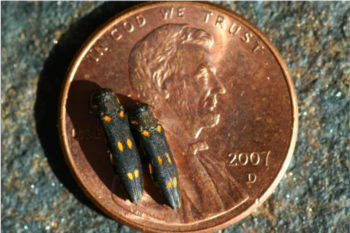
The insects damage the water and food transfer structures (xylem and phloem) of the tree, causing crown die-back and eventual death in heavily infested (amplifier) trees. Widespread loss of oaks from GSOB has occurred in Idyllwild and San Diego County mountain areas.
Although GSOB are winged, they do not fly long distance. UC researchers, partners with CAL FIRE and the California Firewood Task Force discovered that several of the infestations throughout Southern California were caused by introduction of firewood imported from infestations in other areas. 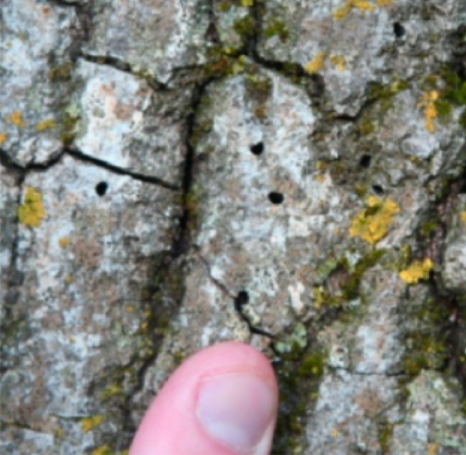
D-shaped GSOB exit holes. Credit: UC ANR
Ventura County is vulnerable to attack by the beetle and other invasive tree pests that are on watchlists for the area. Best ways of being assured your firewood is safe include purchasing locally source material or selecting kiln-dried or certified firewood.
For more information:
Report suspected GSOB infestation:
https://ucanr.edu/sites/gsobinfo/What_You_Can_Do/Report_GSOB_Symptoms/
Written by-- Petr Kosina, UC Statewide IPM Program
A brand-new online course on Diagnosing Herbicide Injury focusing on how an herbicide injury situation can arise, what information can help diagnose symptoms during field investigations, and what tools are available to you, is now available from the UC Statewide Integrated Pest Management program (UC IPM).
When unexplained damage is noticed on a crop or other non-weed plant, herbicides are often a primary suspect. That is no surprise because herbicides are very powerful and effective tools used to control weedy plants in a wide variety of locations. However, symptoms of many other plant stresses, such as diseases and nutrient deficiencies or toxicities, can closely resemble the injury symptoms caused by herbicides. Economic implications of herbicide damage can vary–in some cases visible injury may have very little direct economic effect while in others, even slight herbicide symptoms can affect the marketability of affected plants. In addition, the presence of an unregistered herbicide on non-target crops can result in illegal residues which could have both safety and legal consequences.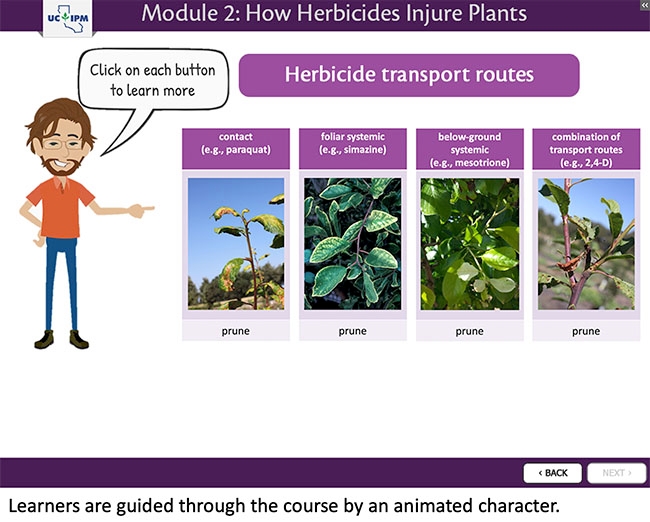
The new online course was developed by Dr. Brad Hanson and Dr. Kassim Al-Khatib from the Department of Plant Sciences at UC Davis, and UC IPM instructional designers. If you are a grower, pest control adviser, or pesticide applicator, then this course is a great opportunity to learn about how to approach crop injury investigation when herbicide is suspected cause. You will learn how herbicides injure plants, how long herbicide symptoms may last and factors that may influence the time that herbicide injury symptoms are visible, possible scenarios of herbicide exposure based on uniform and variable injury patterns observed in the field, how to prepare samples for the laboratory analysis and more.
The course content is free to anyone who wishes to view it. For those requiring a certificate of completion and continuing education units (CEUs), the regular cost is $30, but we are offering a reduced price of $15 through October 31, 2021. Diagnosing Herbicide Injury course has been approved by the California Department of Pesticide Regulation (DPR) for 1.5 continuing education units (CEU) of Other, Certified Crop Advisor (CCA) for 1.5 units (IPM), and the Arizona Department of Agriculture for 1.0 Credit.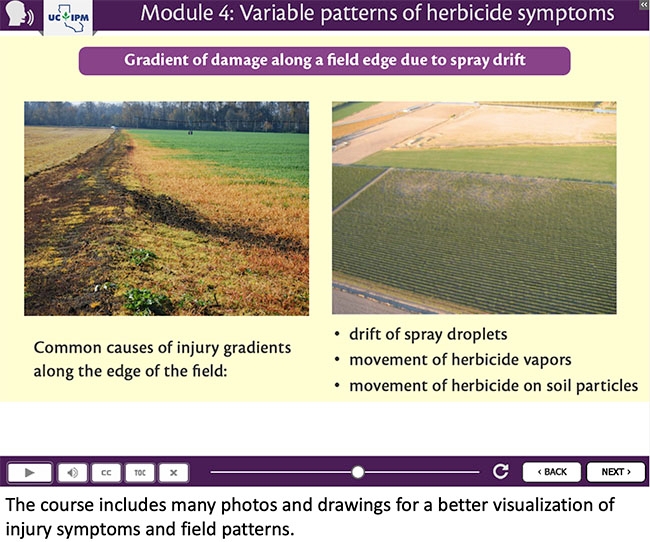
If you are a DPR license or certificate holder with a last name beginning with letters M through Z, then this will be your year to renew. Now is a good time to check out the other UC IPM online training courses offered. All are 50% off the regular price through October 31st. DPR strongly suggests returning renewal packets back to them by October so that your license or certificate can be renewed before it expires. Many of our courses are accredited by DPR for continuing education hours and also by the California Structural Pest Control Board (SPCB), Certified Crop Advisor (CCA), the Western Chapter of the International Society of Arboriculture (WCISA), and the Arizona Department of Agriculture.
- Author:
Julie D Clark De Blasio
UCCE Ventura collaborated in this first annual three-day event held at the Museum of Ventura - Agricultural Museum April 22-24. Ventura County Agricultural Commissioner/Weights & Measures (VC-AC/WM) initiated and directed the show, with cooperation from the museum, CE-Ven, Ventura County Master Gardeners (MG), Channel Islands Chapter - California Native Plant Society (CNPS), and Santa Barbara Botanical Garden (SBBG).
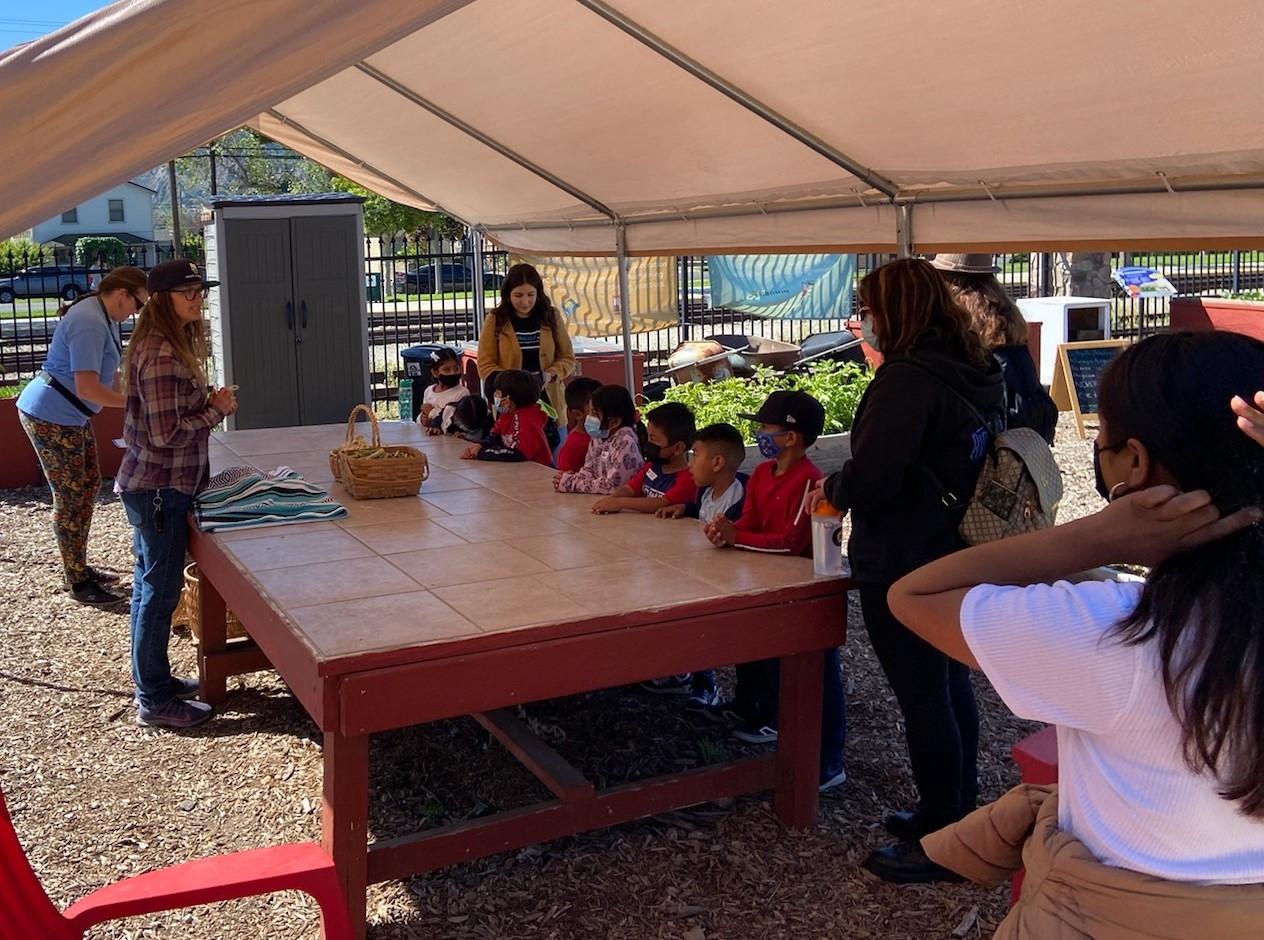
The family event included museum garden tours hosted by MG, a mason bee house construction activity by the Museum, iNaturalist participatory-science nature reporting led by SBBG, invasive weed posters created by VC-AC/WM, and the weed and wildflower show display coordinated by VC-AC/WM, CNPS, and CE-Ven.
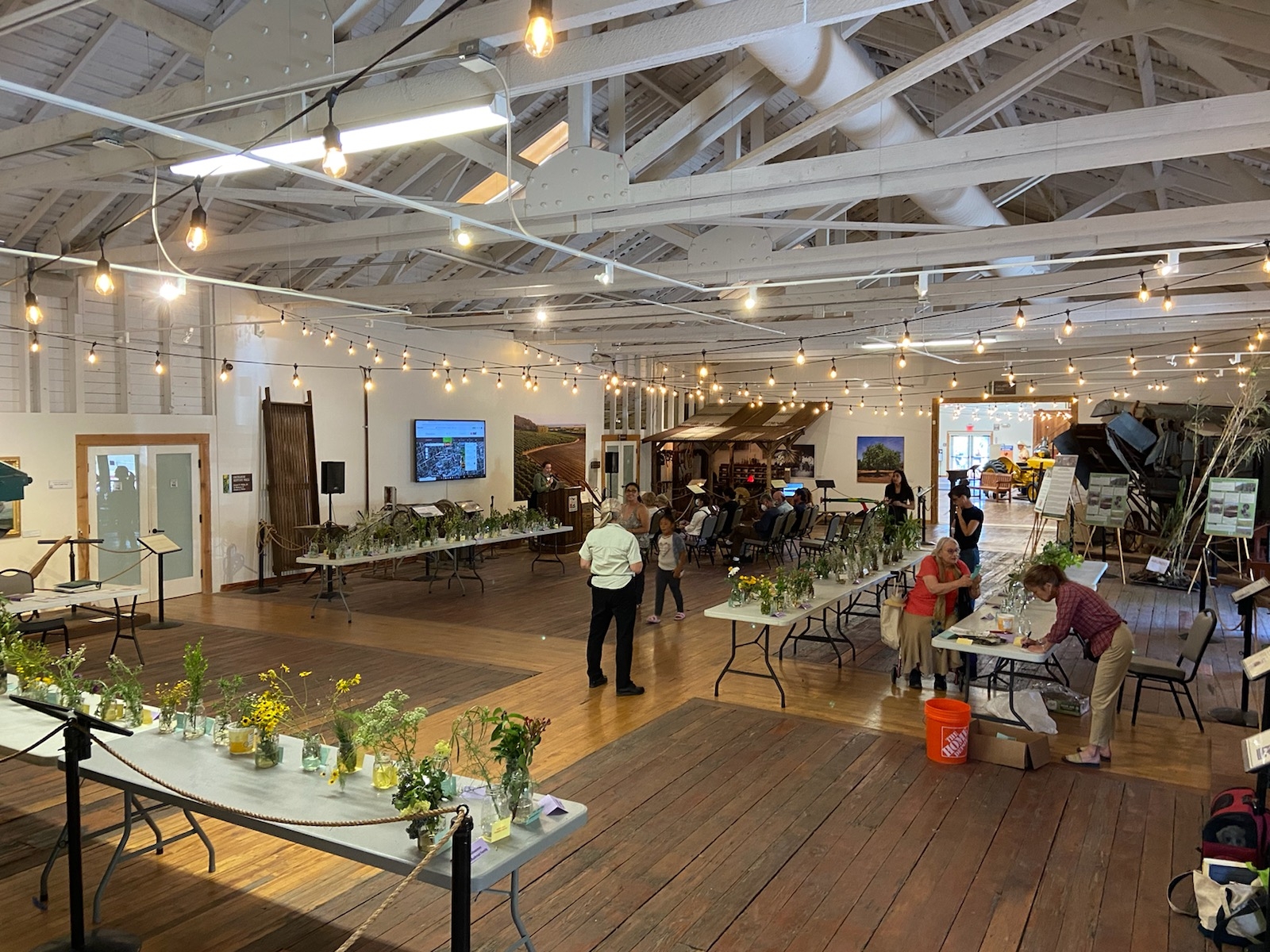
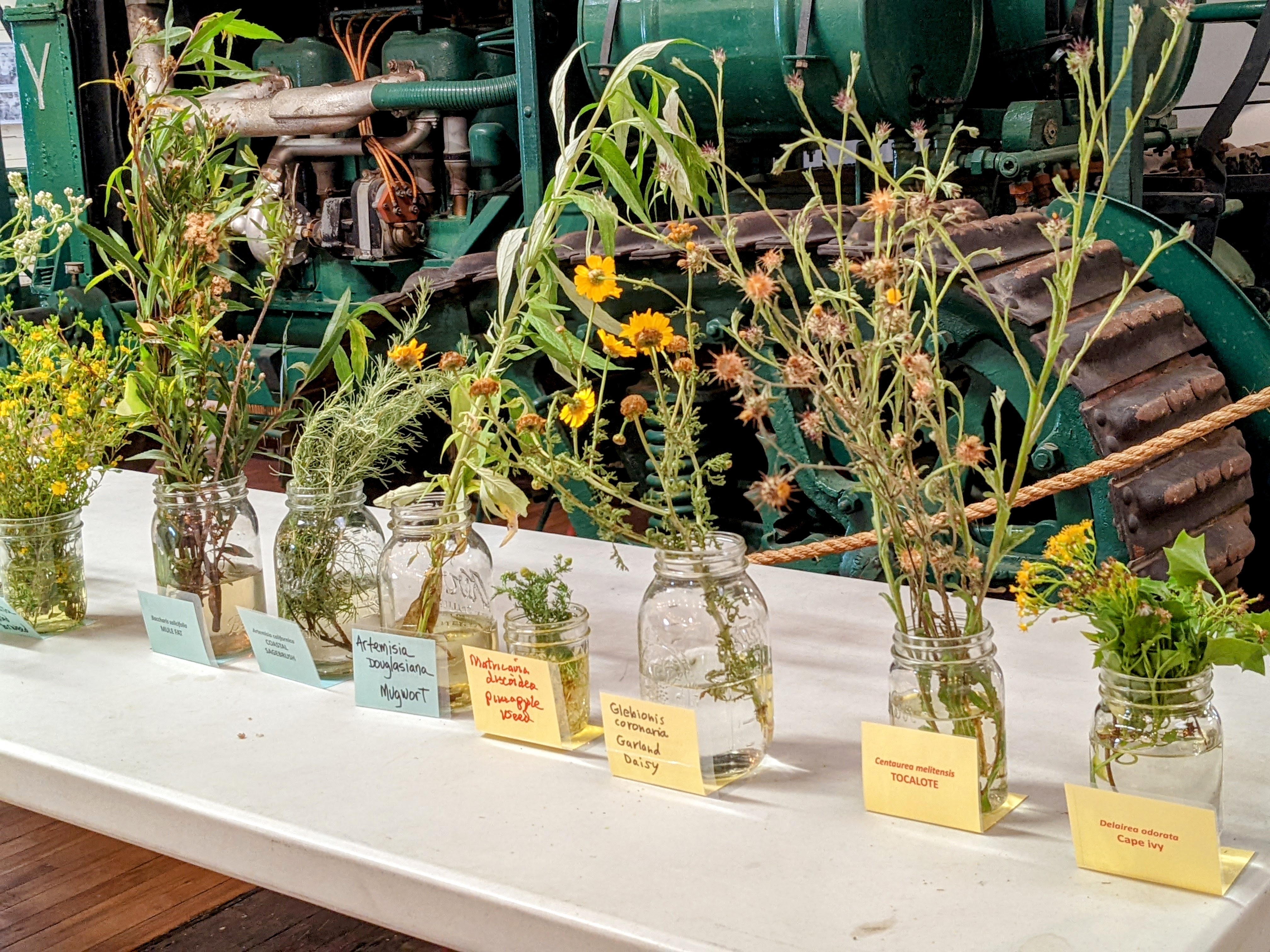
Several hundred people attended the three-day event. One-hundred twenty weed and wildflower specimens were collected by CNPS and VC-AC/WM.
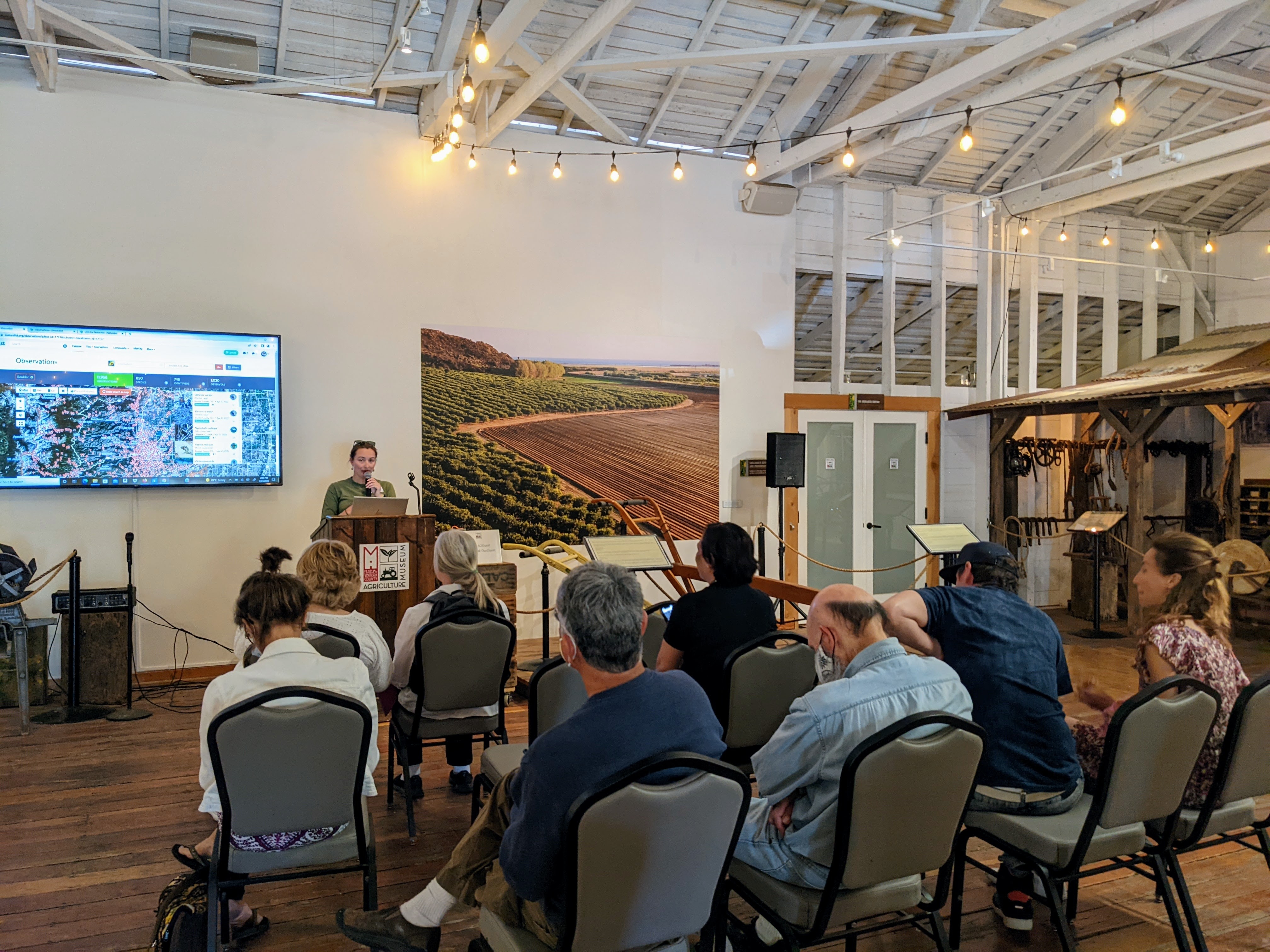
The maiden event is likely to become an annual springtime occurrence in Ventura County!


