


- Author: Maureen Clark
Sunchoke - Jerusalem Artichoke - Sunroot, Helianthus tuberosus
Edible Tuber
Plant 4-6 inches deep and 12-18 inches apart
Grows 6-10 tall, Needs staking. Use a tee pee or tomato cage
Grow in a Wine Barrel or extra-large pot, because they are a giving plant
1 tuber makes 20 tubers
Regular water until the roots form, then water deeply once a week
6 or more hours of Sun
1” of mulch on top of the soil
Harvest 3½ -5 months later (110-150 days)
Beautiful Yellow Daisy shaped flowers. Cut the flowers before seeds develop! Or you'll have far too many! Perennial that continues to give you tubers for many, many years. Sweet, nutty tasting. A very healthy veggie that can be substituted for potatoes or carrots. Eat them raw. Wash and slice them super thin. Add to salads, dip them in your favorite hummus recipe. Try roasted. Cut them ½ inch thick. Toss them in olive oil, thyme, salt and pepper. Cook in 425? oven for around 20 minutes. Boil them in slightly salty water, until tender. Plunge into a ice water bath. Peel immediately. Slice to desired thickness. Toss with butter, salt and pepper and parsley.
Yum Yum Enjoy! 


- Author: Lanie Keystone
With spring so warmly upon us, thoughts turn to meaningfully entertaining children during summer vacation. And what better way to keep young children fascinated than to pique their curiosity about the world around them?
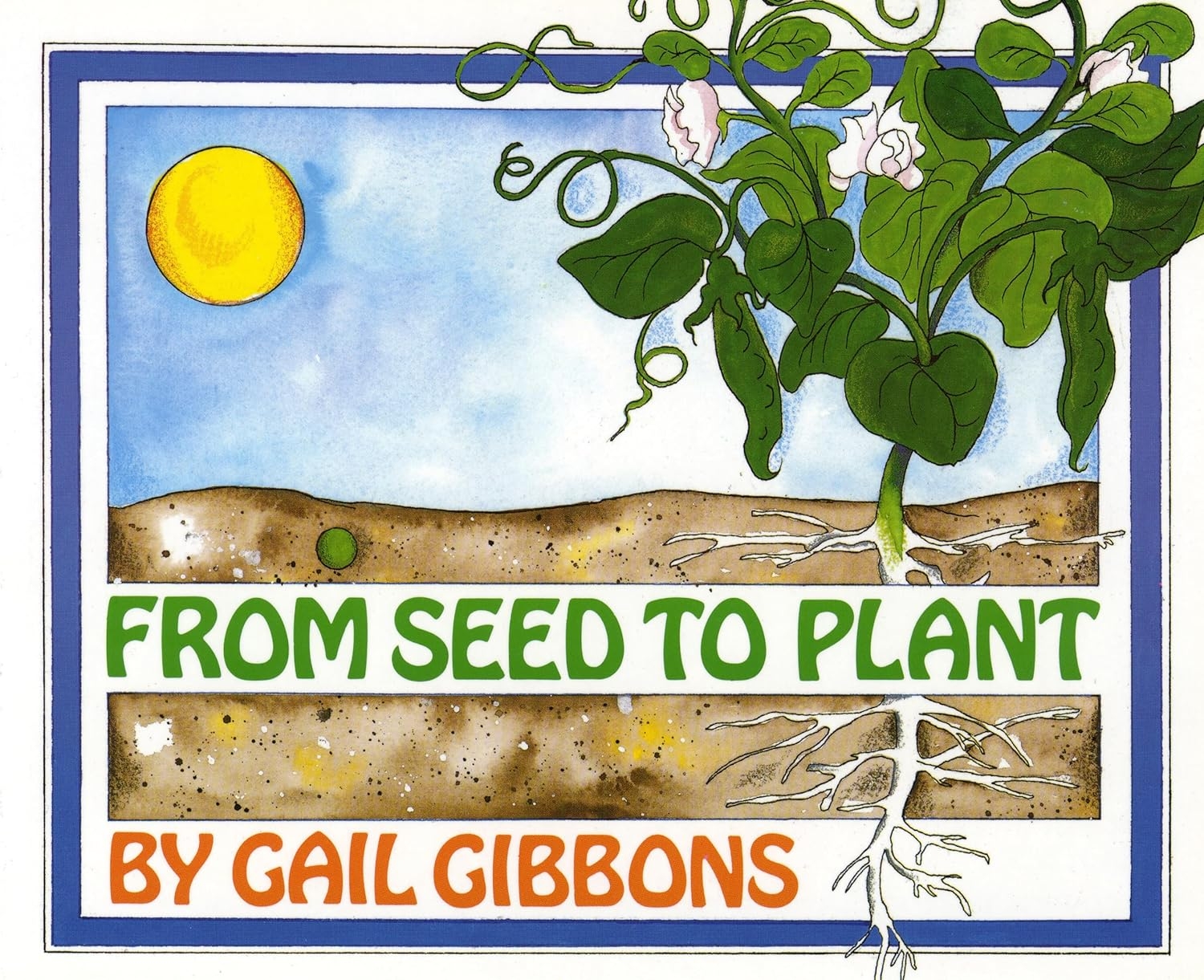
The classic book, From Seed to Plant by Master Teacher of young children, Gail Gibbons, fits the bill perfectly. Author Gibbons has written over 100 books and knows her way around young children and how to keep them focused and engaged.
The main question asked by this wonderful book is: “Flowers, trees, fruits—plants--are all around us—but where do they come from?
Through simple language and bright illustrations, Gibbons answers this key question with verve. She introduces basic botany vocabulary which is explained and reinforced by colorful diagrams. In this way, plant parts and a wide variety of seeds come to life in service of clarifying the basics of plant life on earth.
The book is filled with engaging growing projects, which make the book a perfect partner with kitchen counter and backyard science exploration. This paperback book is a must-have for anyone caring for or working with young children ages 4-7. Find a copy at the library or bookstore and be ready to take summer on and work some magic with your young buddies.

- Author: Erin Mahaney
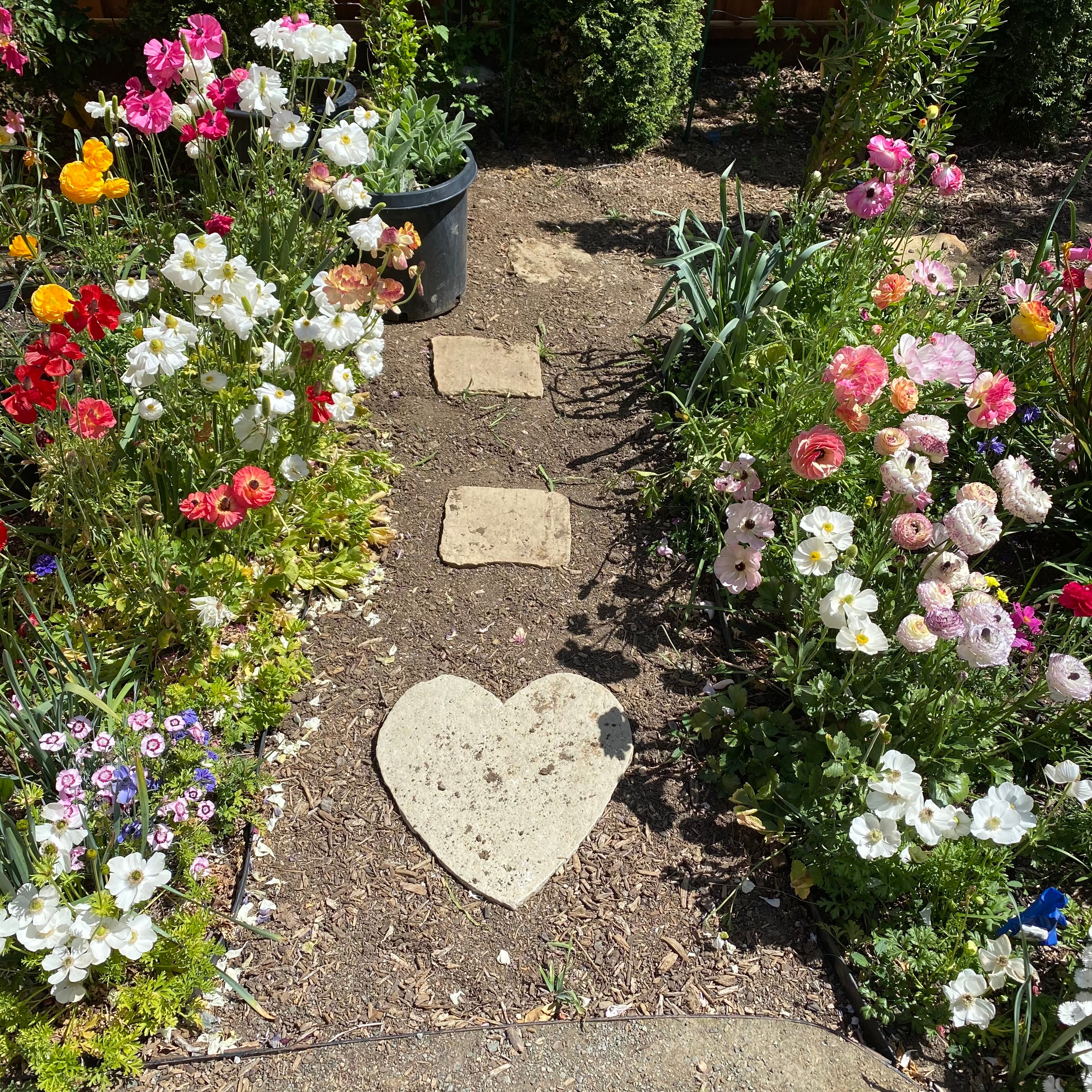
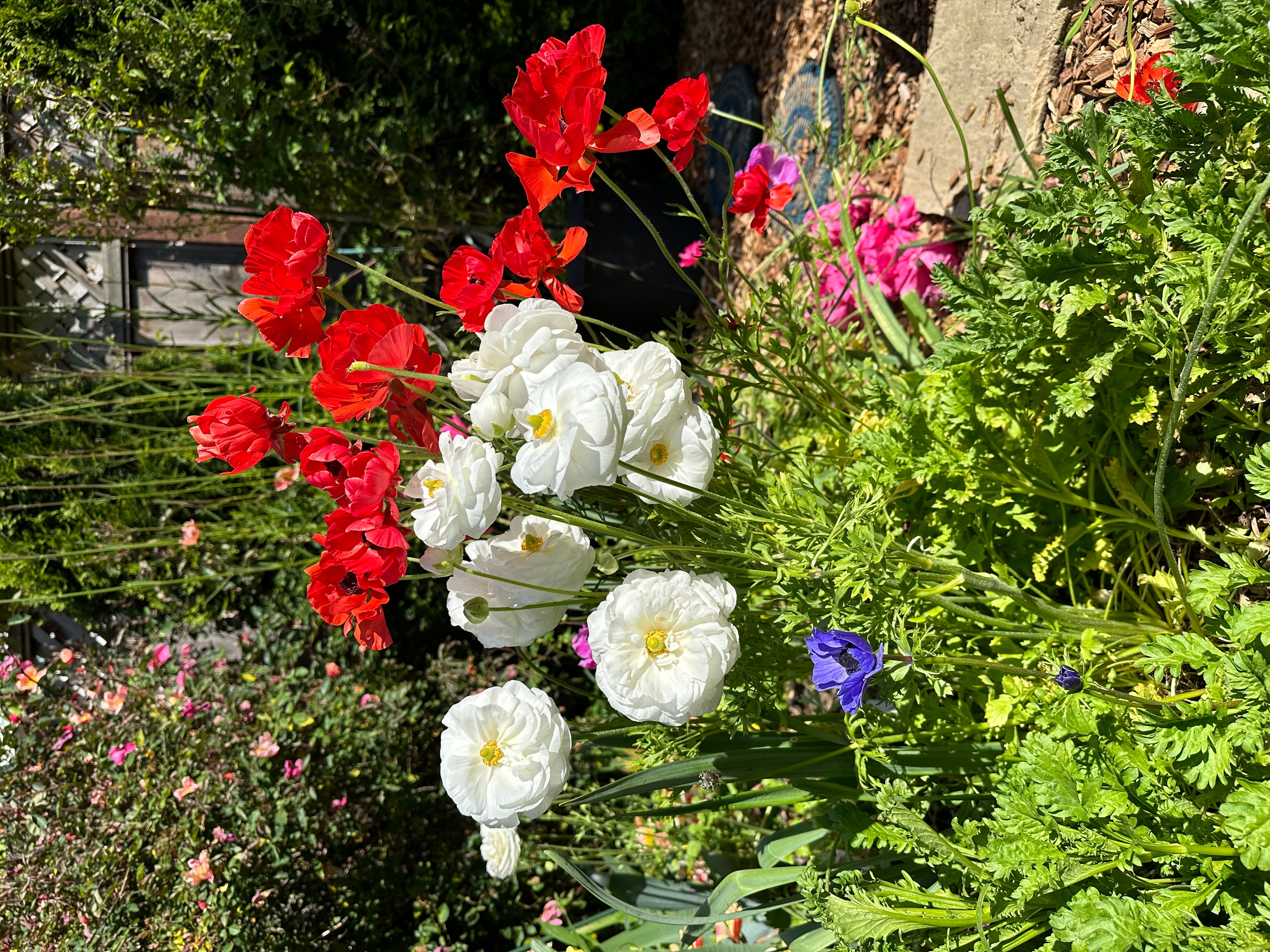
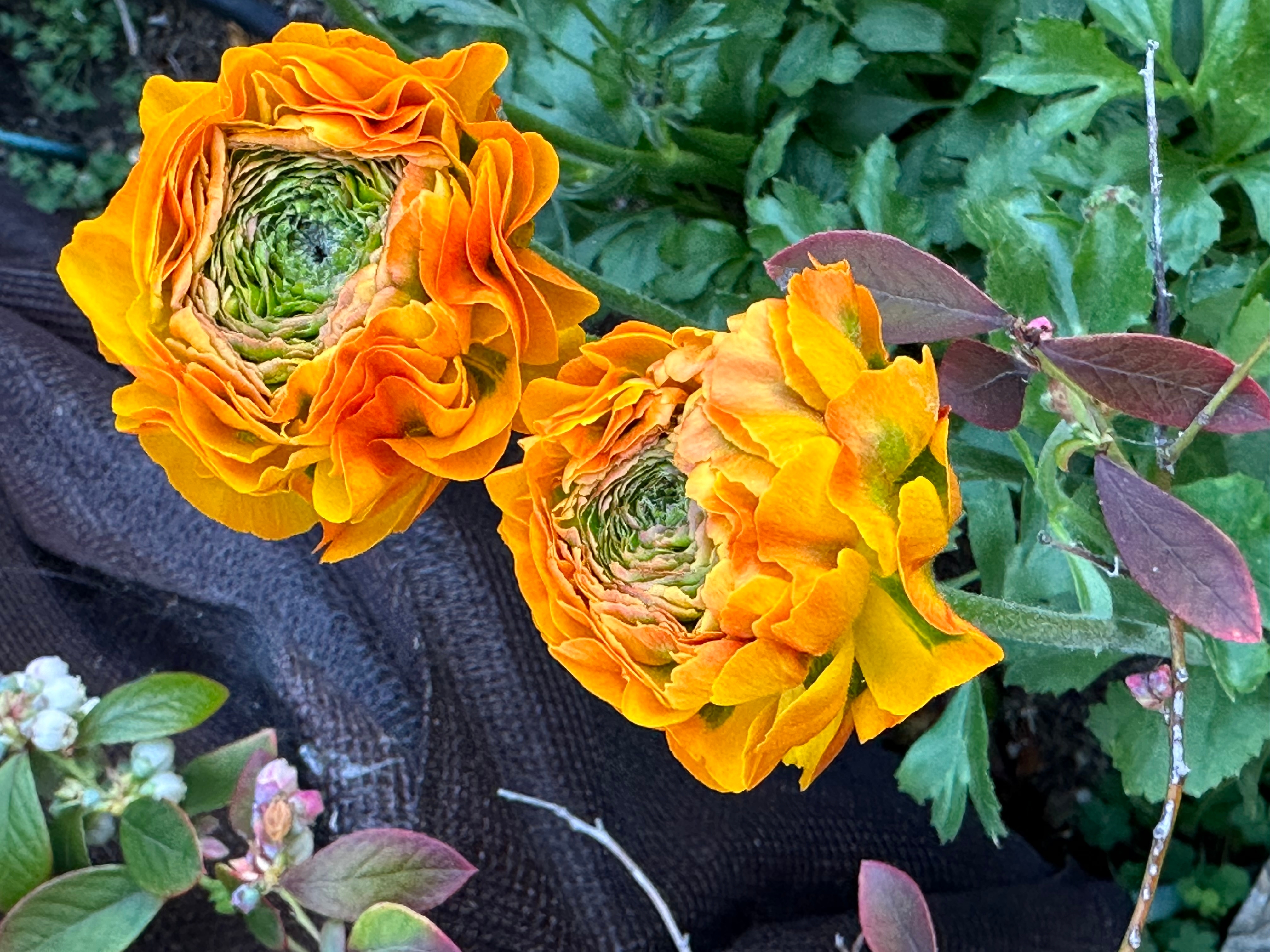
I love to grow a variety of easy-to plant, spring-flowering bulbs for their colorful, cheery blooms in the garden and to fill vases inside my home. One of my favorites is ranunculus, which come in a variety of colors and petal styles, and are very easy to grow. The flowers have a long vase life, which helps brighten grey spring days.
Ranunculus corms can be purchased in packages in stores and on the internet. The corms are strange looking little things with little spikey points. Many people recommend soaking the corms for about 4 hours (no longer!) to plump them up before planting. I've planted the corms pre-soaked and without soaking (I forgot) and haven't really noticed a difference. But again, the recommendation is to soak them.
Ranunculus require rich soil, full sun, and regular water. The corms should be planted 2” deep with the spikes pointing down. The plants will bloom about 3 months after planting. I prefer to plant the corms in the fall so that I'm not mucking about in the muddy garden in late winter, but they can be planted in late winter or early spring as well. It's worth noting, however, that ranunculus are cool season flowers that bloom primarily in our area until late April or so. Once the weather warms above about 70 degrees, they are done for the year so the planting and flowering schedule needs to account for warming spring temperatures.
One advantage to planting ranunculus in the fall is that spring-blooming bulbs often go on sale late in the fall season. This can provide an opportunity to try a variety of flowers, including some that might otherwise be costly at full price. For example, this year, I experimented with some ruffly Italian Cloni Pon Pon varieties that I purchased at a deep discount last fall. But the classic varieties, such as the various Tecolate lines, with colors ranging from light pastels to bright hues, bring great joy as well.
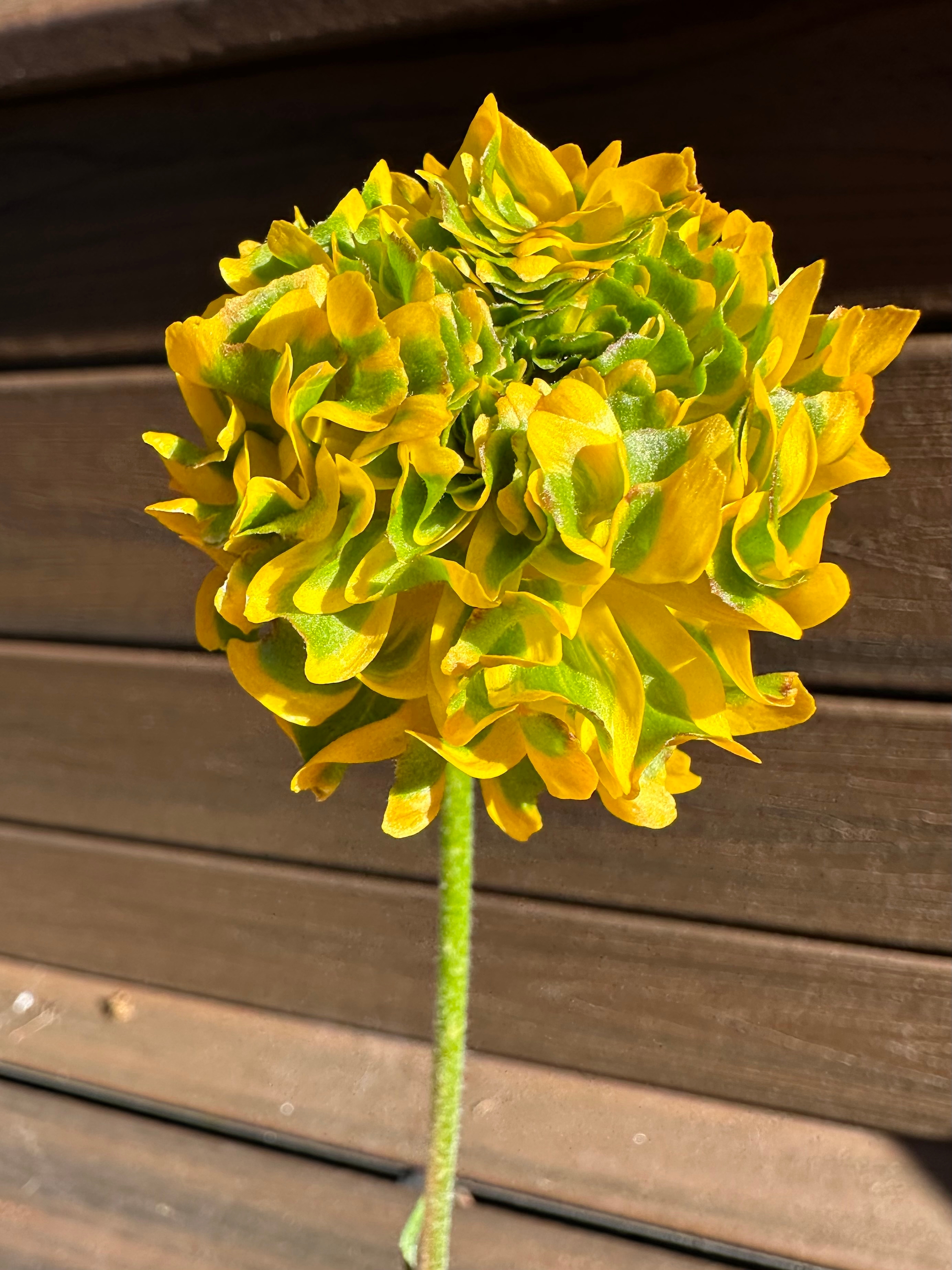
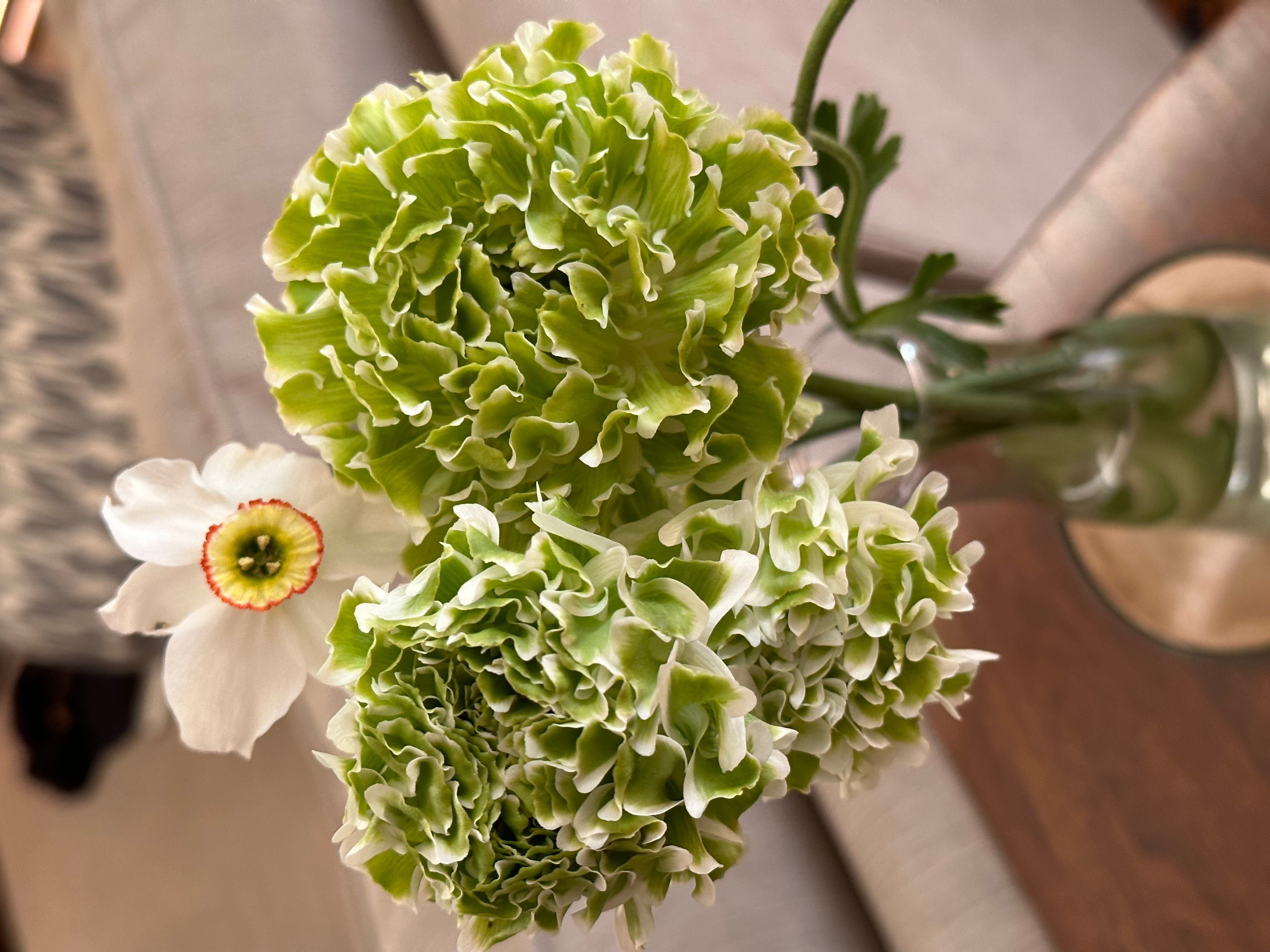
Ranunculus are perennial and, in our growing zone, they can rebloom from year to year. But in my backyard at least, they are best treated as annuals and replanted in the fall. While some plants will rebloom, a variety of conditions (including drought) can make a difference in whether they survive. By replanting at least a few new corms each year, I can try a few new varieties and also be sure that I will enjoy a supply of beautiful flowers in the spring.
- Author: Paula Pashby
Every so often, I rescue a spider from my bathroom, and sometimes I need to call my husband to help. I do the same for other creatures, but I have always been particularly curious about spiders. One spider type that visits often has very long legs, which are well known as daddy-longlegs.
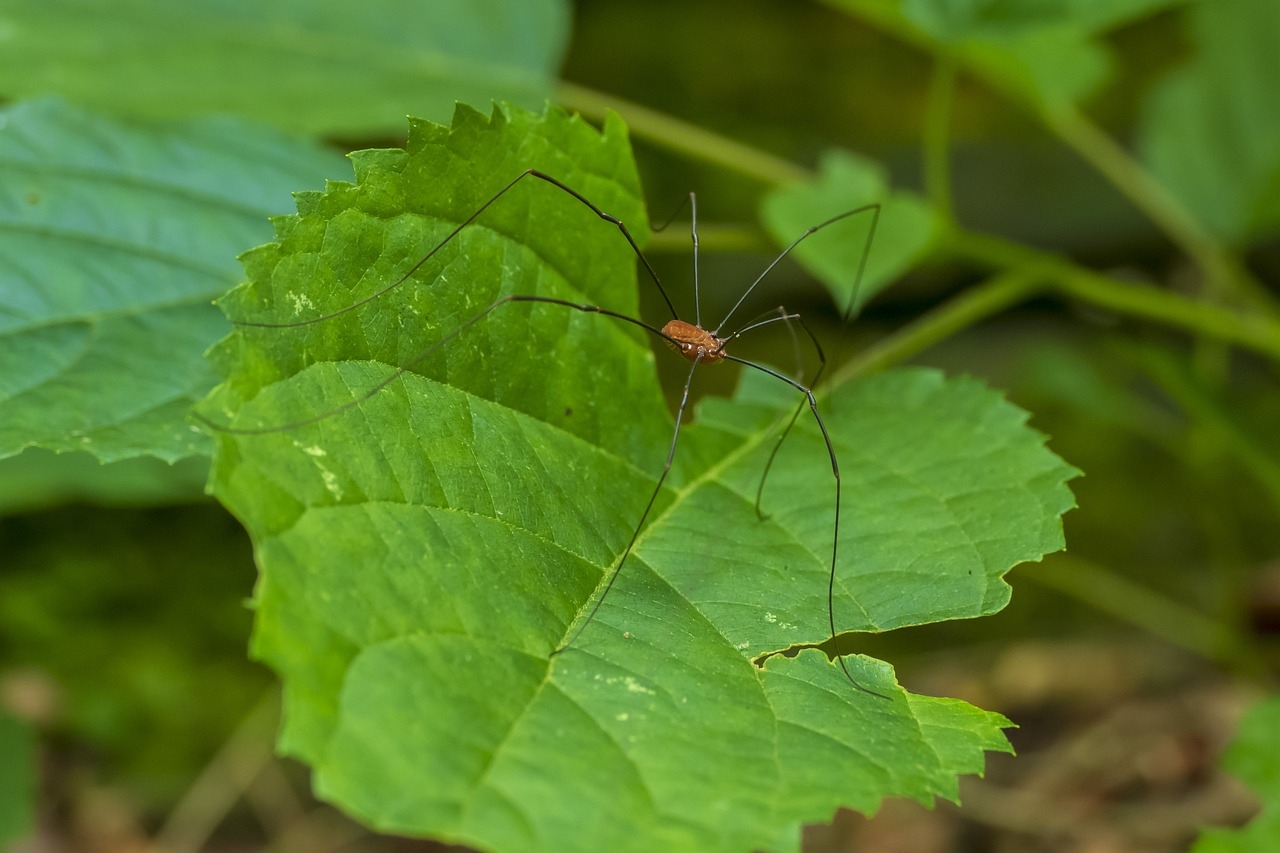
I have been noticing these daddy-longlegs in various parts of our yard and wondered whether they are beneficial to my garden or something of concern. Once again, my research into this question took me down another rabbit-hole of unexpected information.
I was pleased to learn that, yes, the daddy longlegs add to the garden ecology! I found out that they have an extensive diet of usual plant pests, like aphids, and will also feast on dead insects and even a spattering of bird droppings.
To my surprise, I also found out that daddy-longlegs (Opillones) are not actually a spider (Araneae), they just look like one. One visible distinction between daddy-longlegs and spiders is that they have one round body part, while spiders have two. Another difference is that daddy-longlegs do not have the silk glands necessary to create webs and do not produce venom.
BUT wait: Most of the daddy-longlegs that I usually see are hanging out in spider webs! I took a closer look and I now see that these guys do have double bodies. So, what I have been thinking was a daddy-longlegs is, in fact a spider known as the cellar spider, Pholcidae. It also turns out that they are beneficial to the garden. The cellar spiders feed on flies, mosquitoes, brown recluses, cockroaches, and even black widows. Oh, and they are not venomous to humans!
Thus, I had another pleasurable day of discoveries. The bottom line is that both the daddy-longlegs and cellar spiders are beneficial and not dangerous… welcome residents in our garden.


